
Watches for men
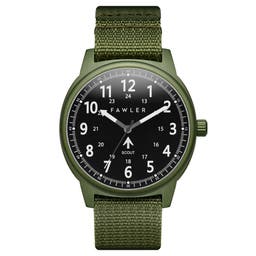
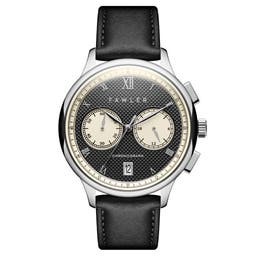
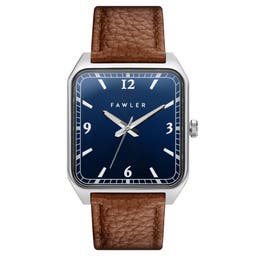
385 products
385 products
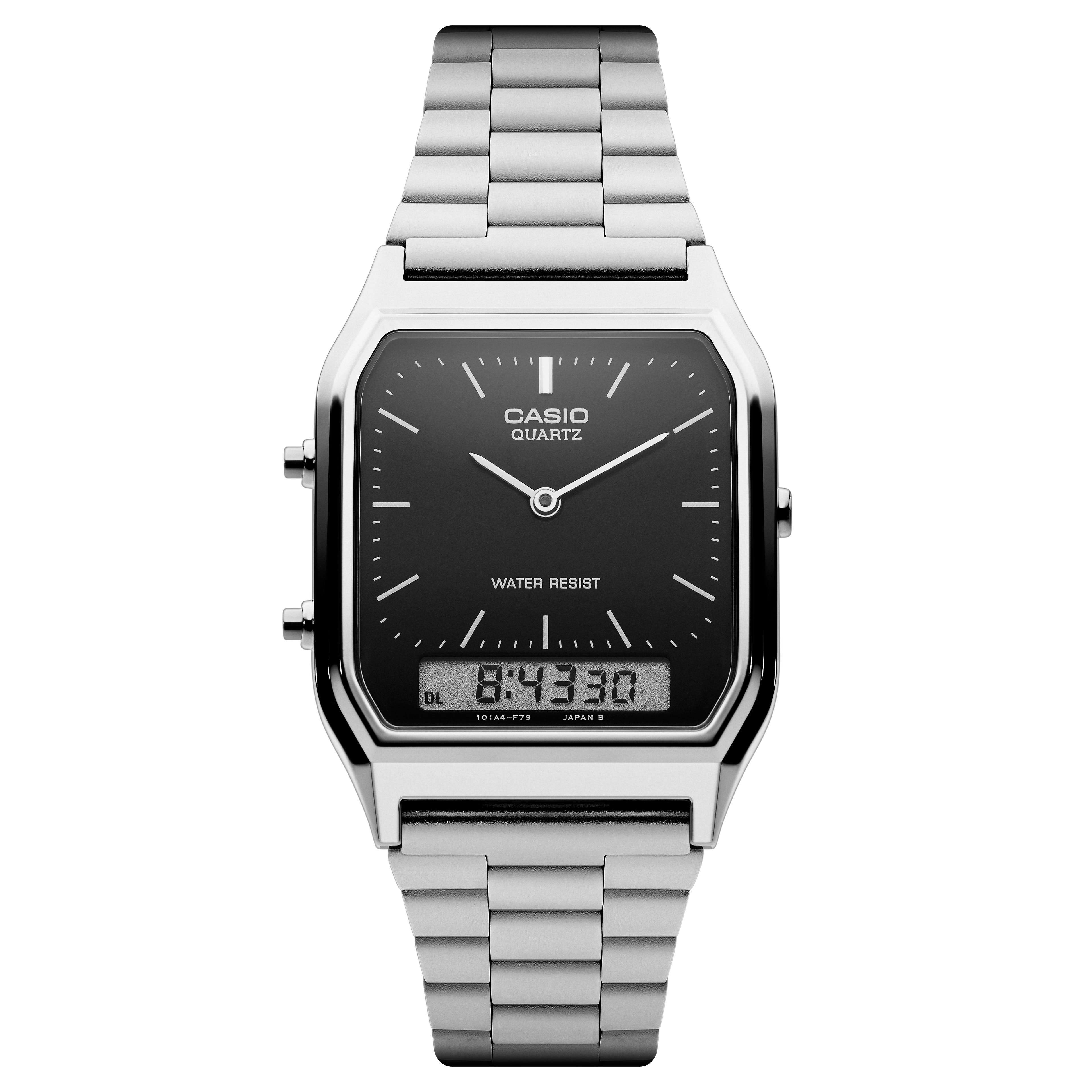
Casio Vintage AQ-230A-1DMQYES
€64.95
2 Colours
Casio
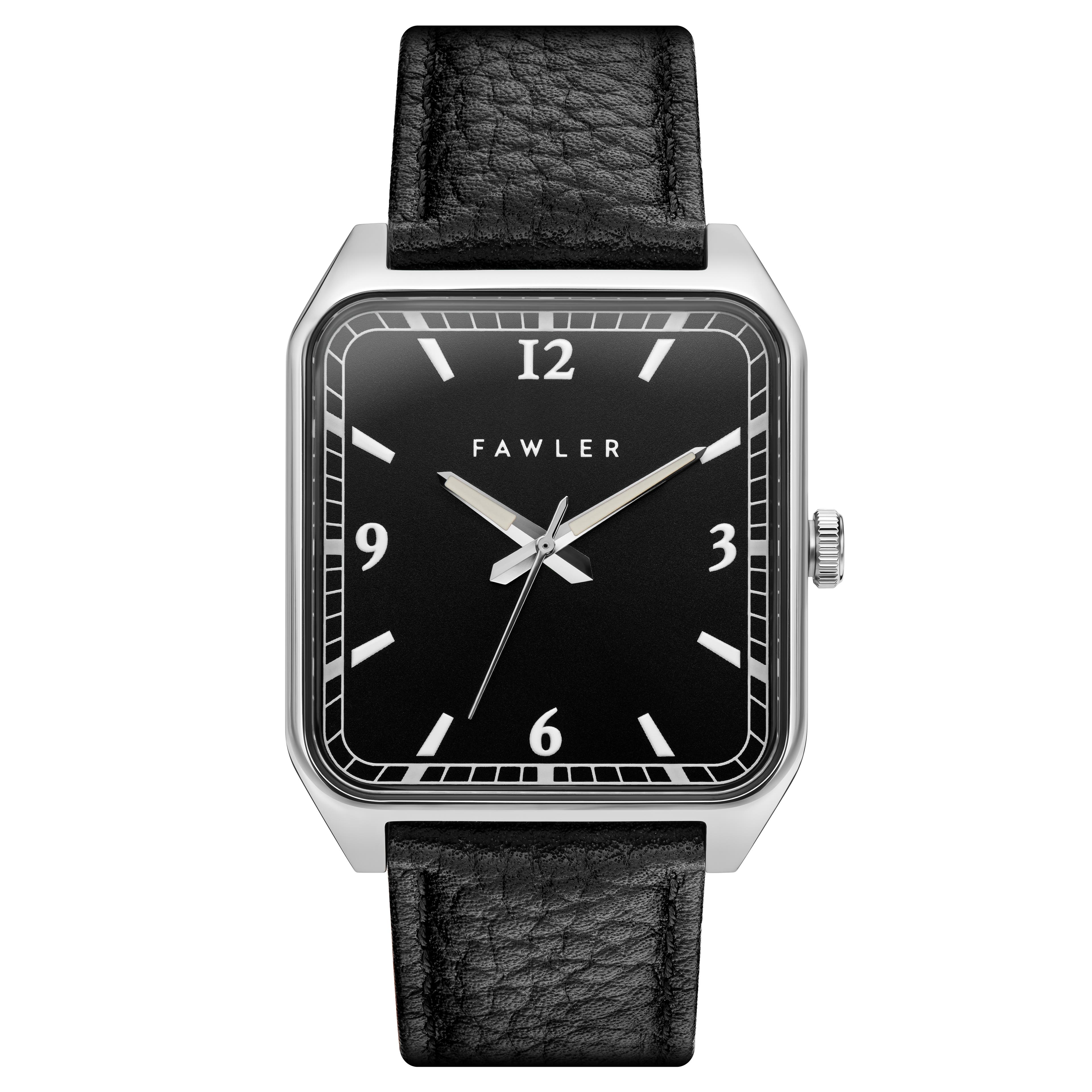
Clyde | Square Silver-Tone and Black Watch
€135.00
4 Colours
Fawler
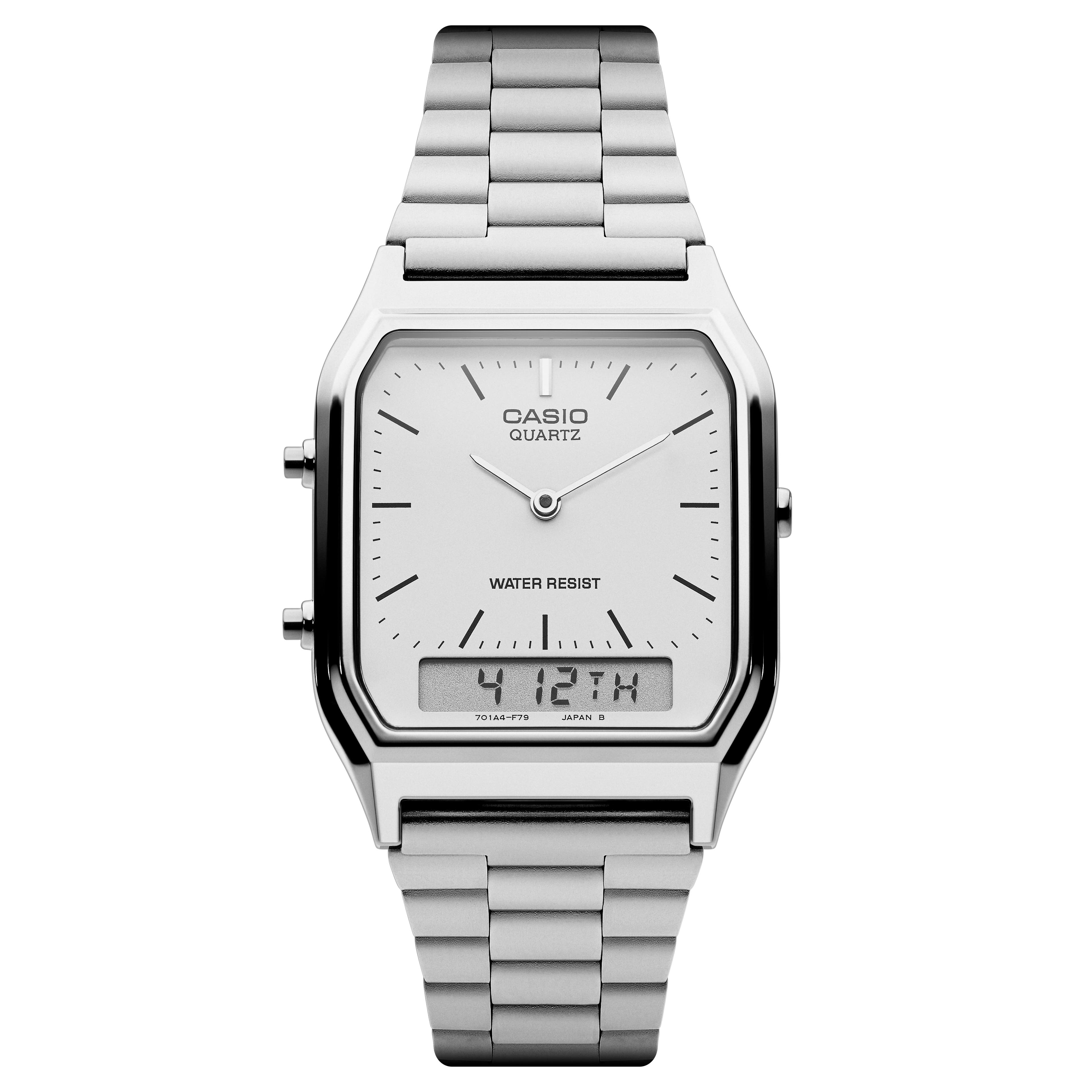
Casio Vintage AQ-230A-7DMQYES
€64.95
2 Colours
Casio
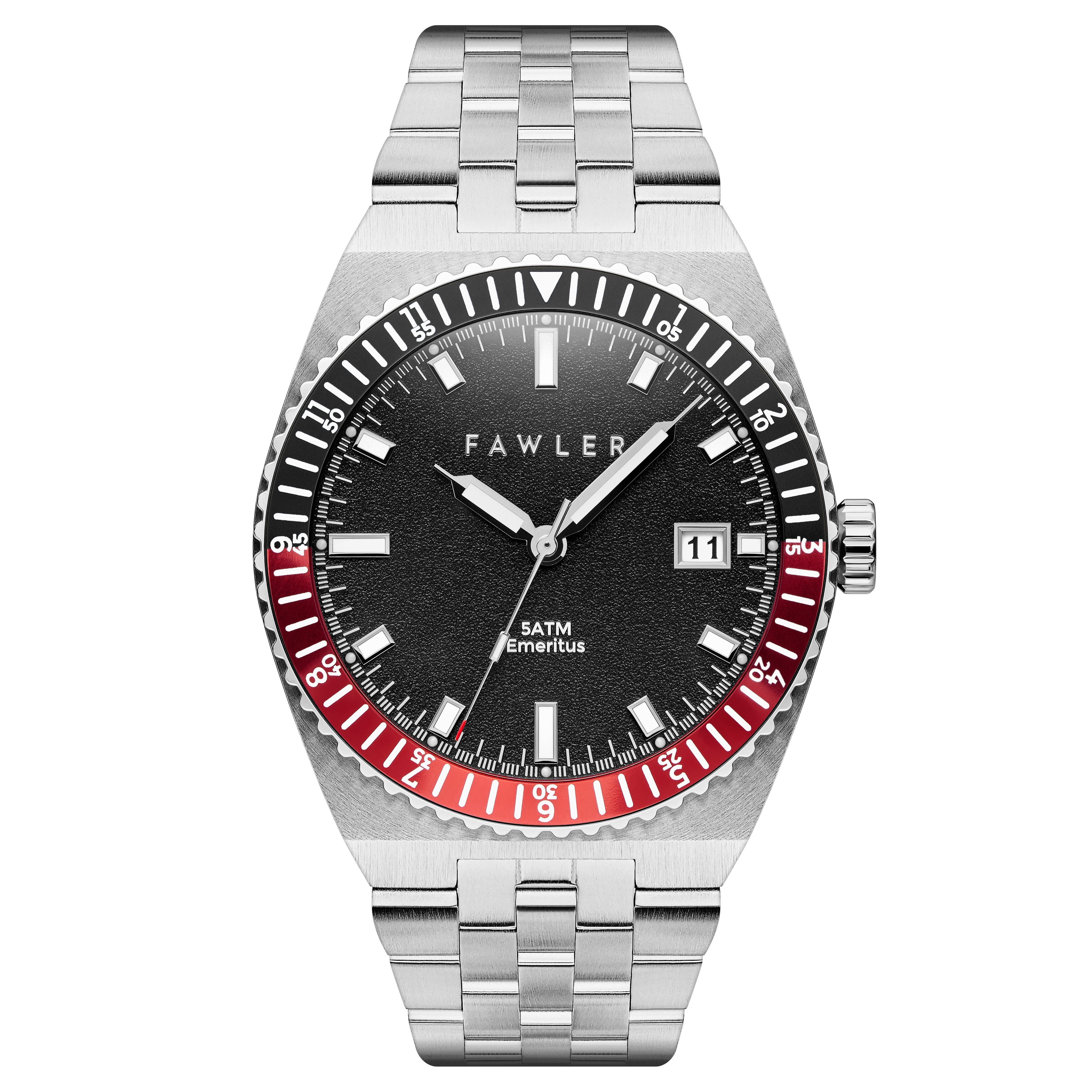
Emeritus | Black and Red Bezel Stainless Steel Watch
€135.00
4 Colours
Fawler
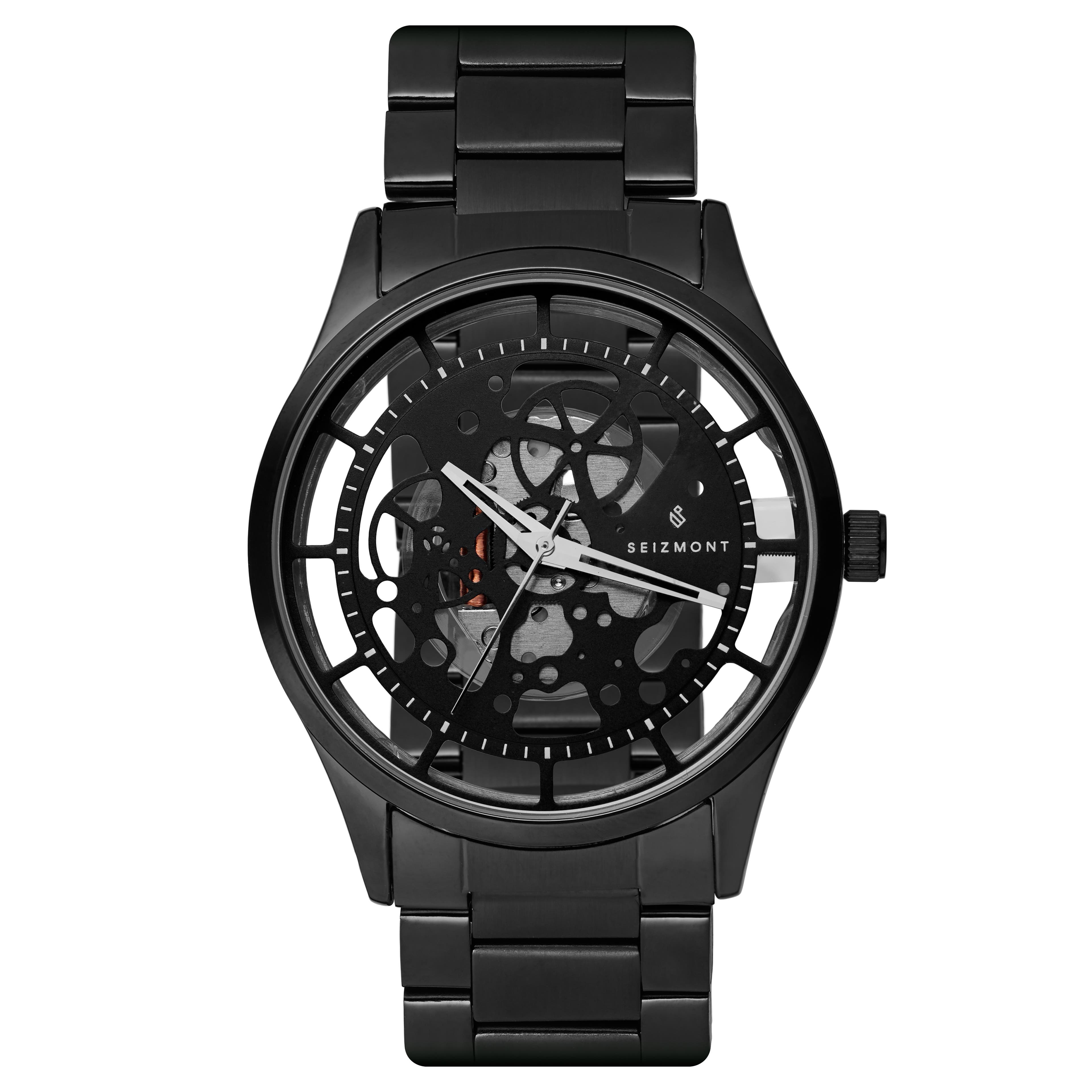
Seymour Phantom Watch
€64.95
6 Colours
Seizmont
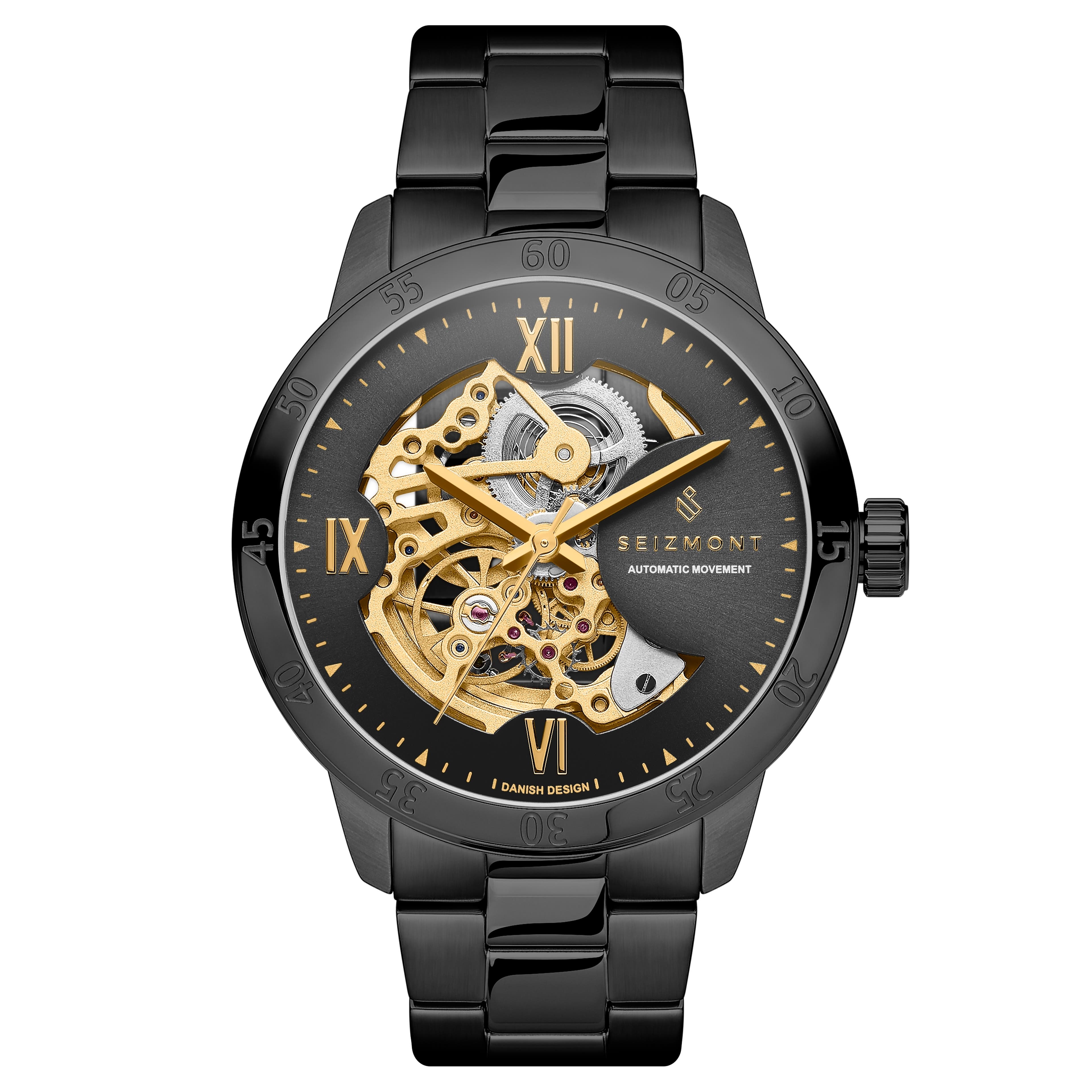
Dante II | Black Skeleton Watch with Gold-tone Movement
€215.00
15 Colours
Seizmont
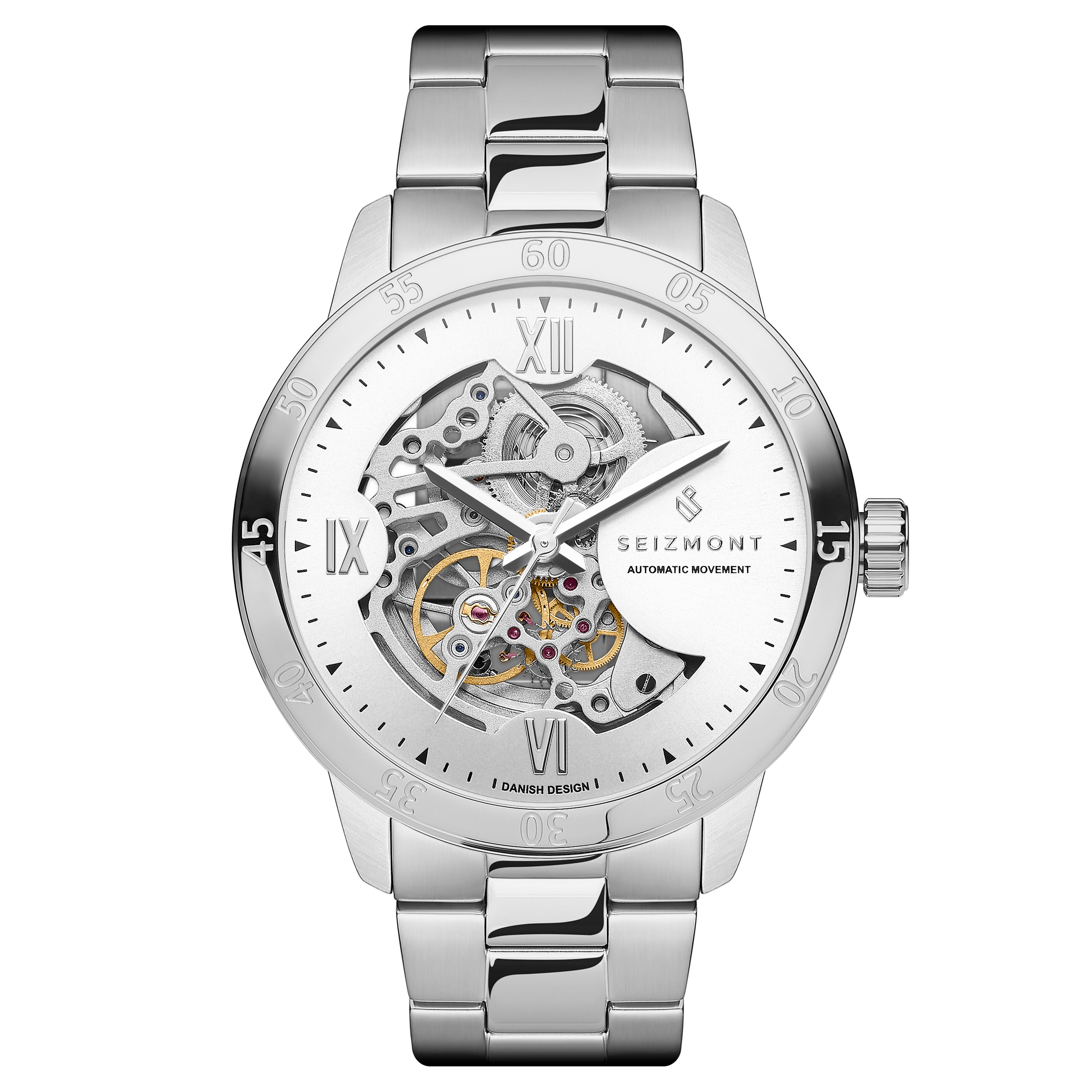
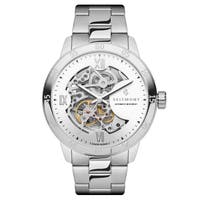
Dante II | Silver-tone Skeleton Watch
€229.00
15 Colours
Seizmont
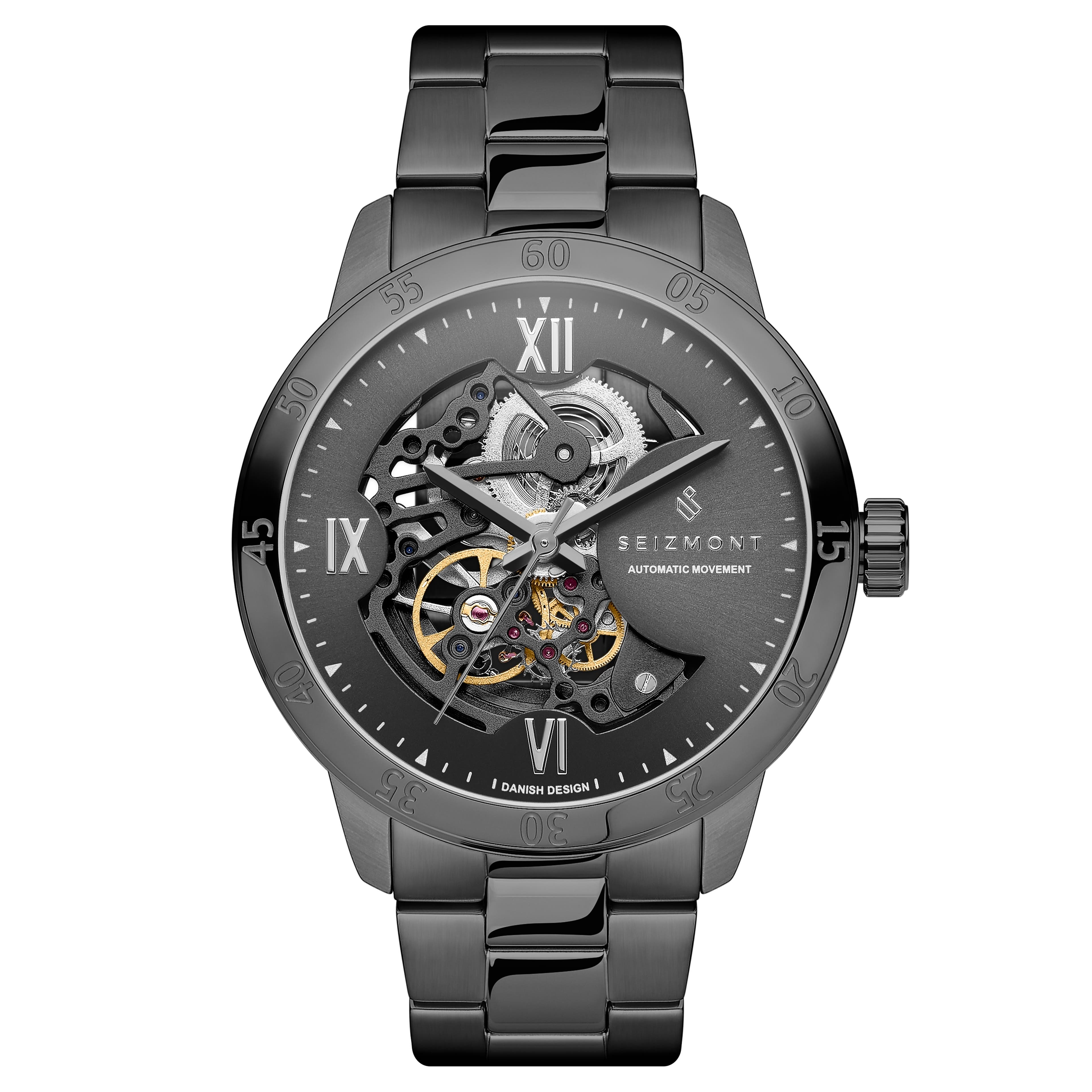
Dante II | Gunmetal Grey Skeleton Watch
€239.00
15 Colours
Seizmont
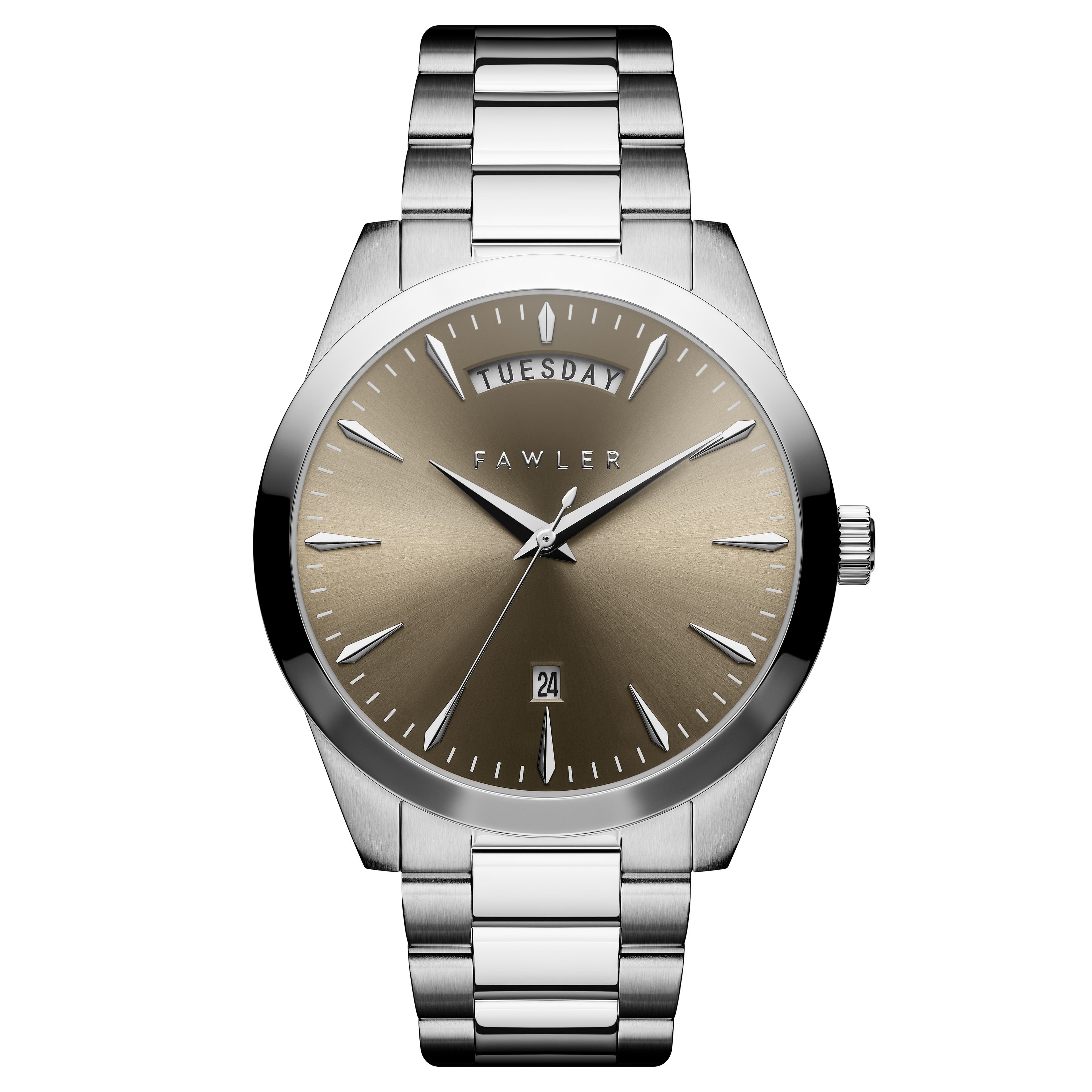
Eric | Brown and Silver-tone Stainless Steel Watch with Day and Date
€159.00
5 Colours
Fawler
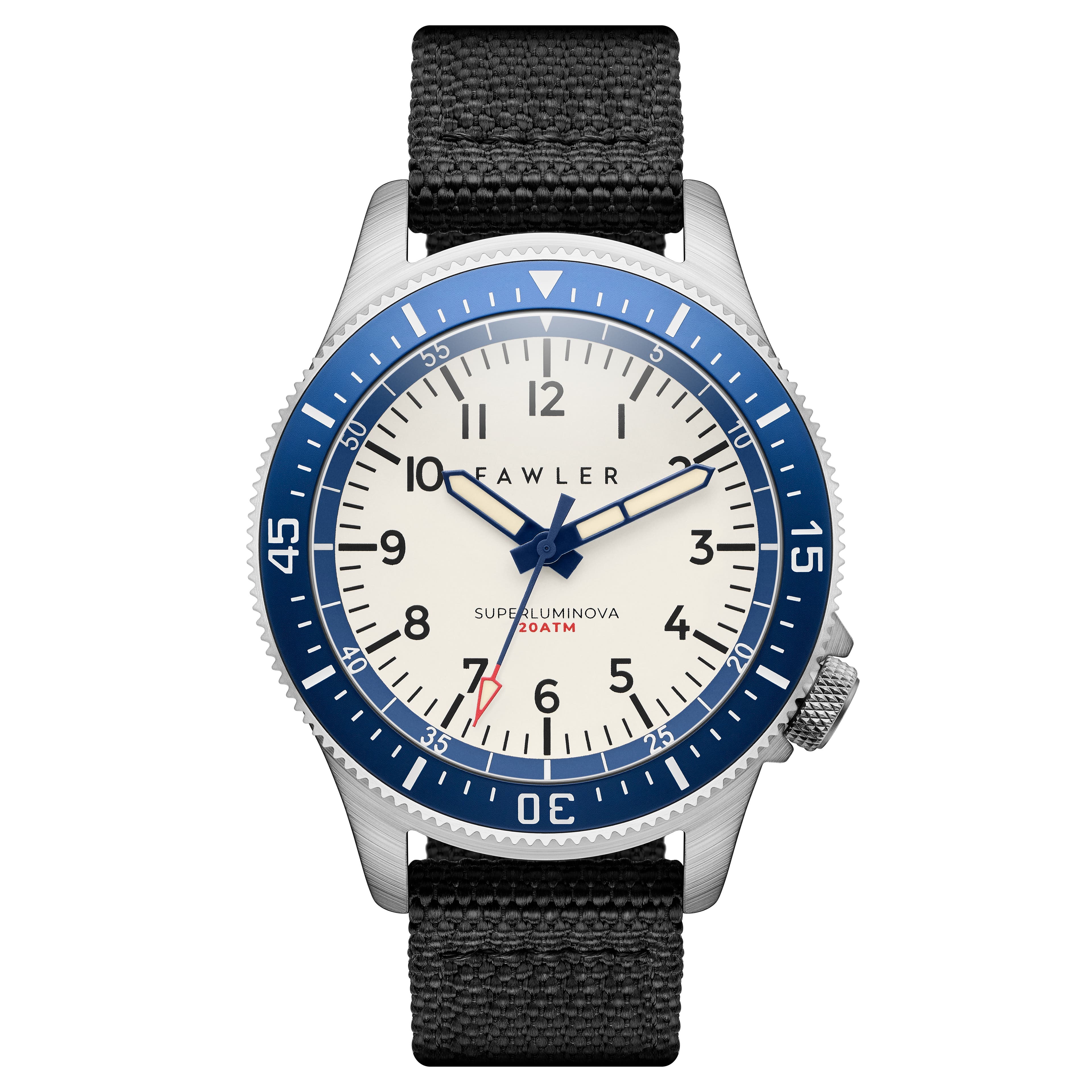
Luscent | Silver-tone and Blue Dive Watch with Full Lume Dial
€199.00
3 Colours
Fawler
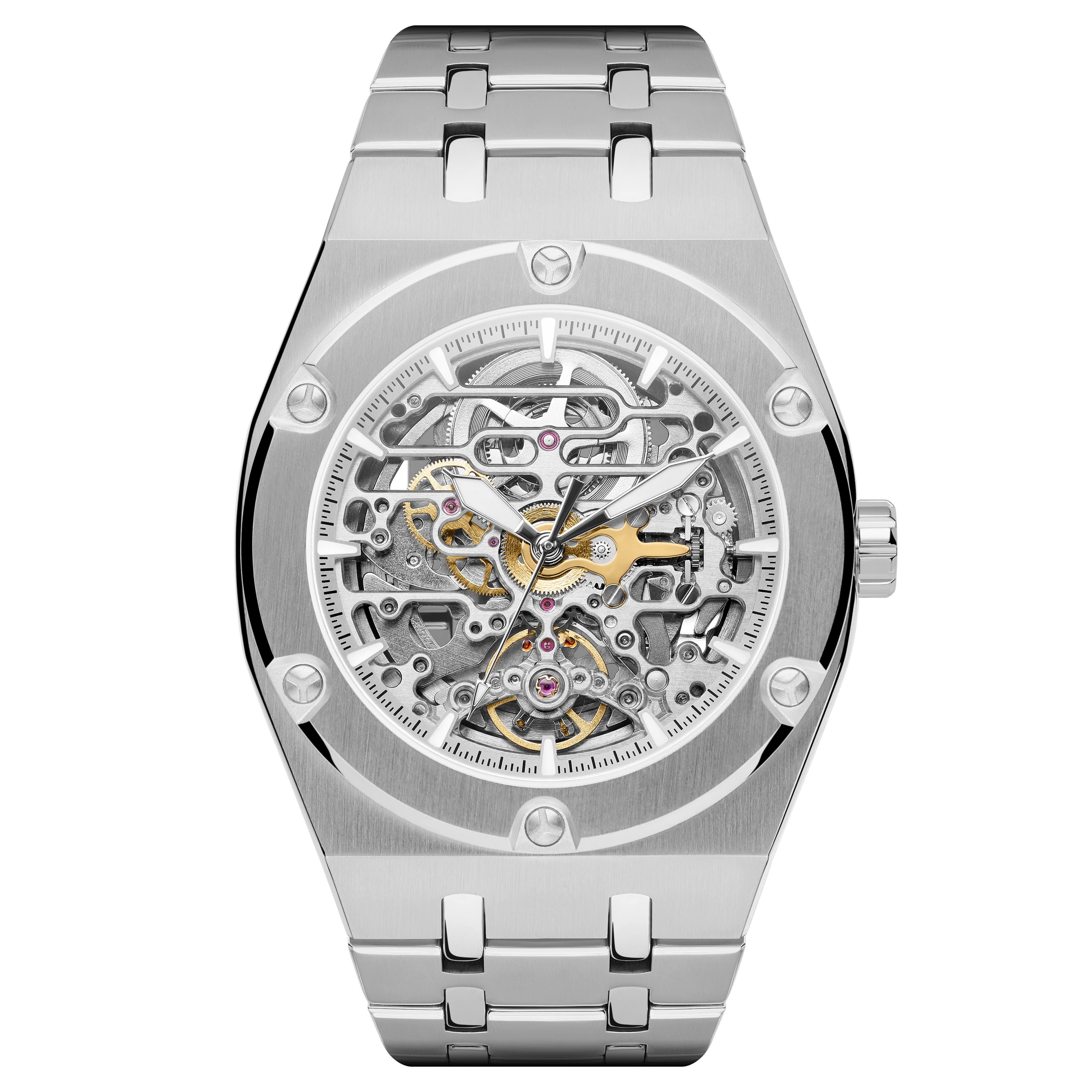
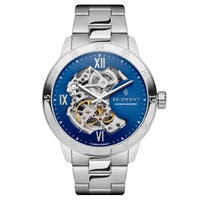
Aaric Mamut Silver-Tone Automatic Skeleton Watch
€239.00
4 Colours
Arkai
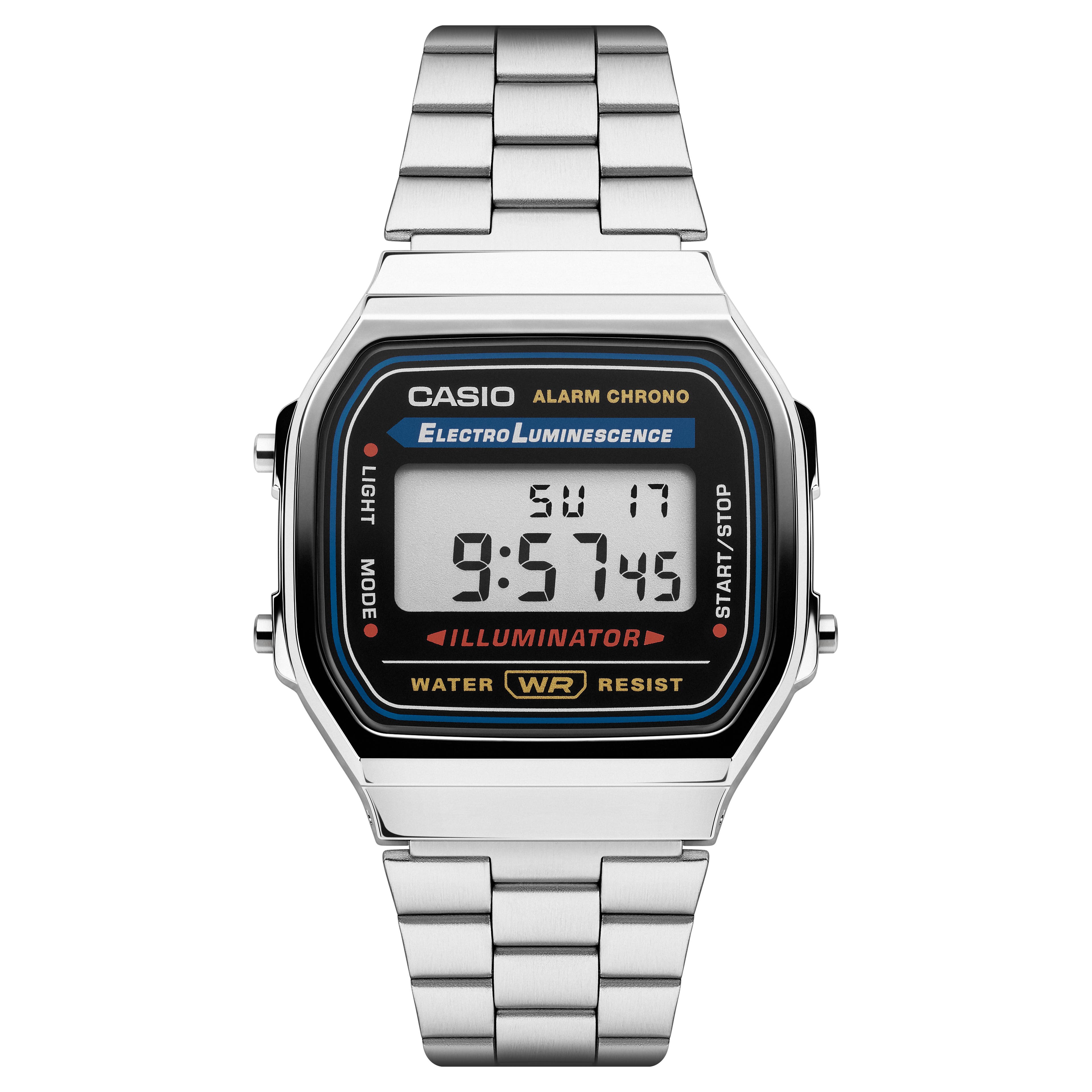
Casio Vintage A168WA-1YES
€54.95
6 Colours
Casio
Faber Fraser Aviator Watch
€175.00
8 Colours
Fawler
Ternion | Black and Gold-tone Dual-time Watch
€119.00
7 Colours
Lucleon
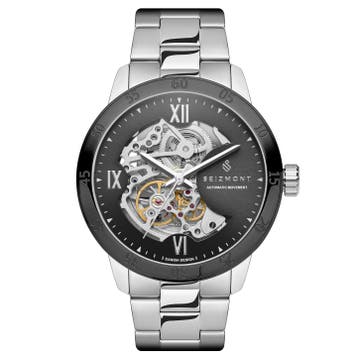
Dante II | Silver-tone & Black Skeleton Watch
€229.00
15 Colours
Seizmont
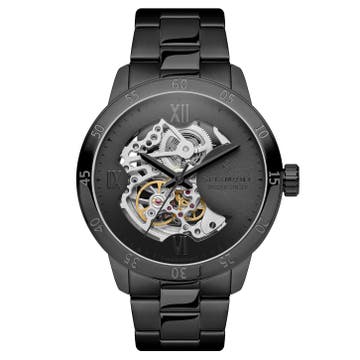
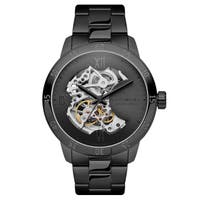
Dante II | Black Skeleton Watch
€215.00
15 Colours
Seizmont
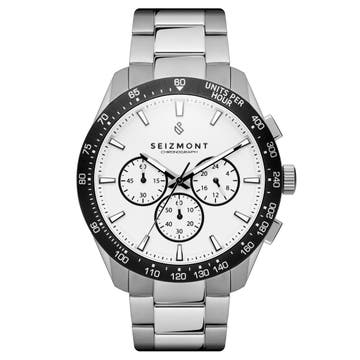
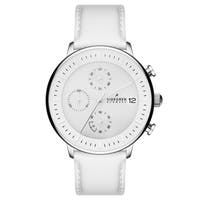
Lounet | White & Silver-Tone Stainless Steel Chronograph Watch
€159.00
3 Colours
Seizmont
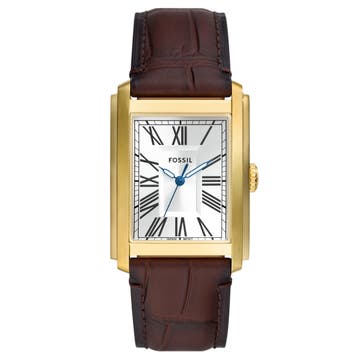
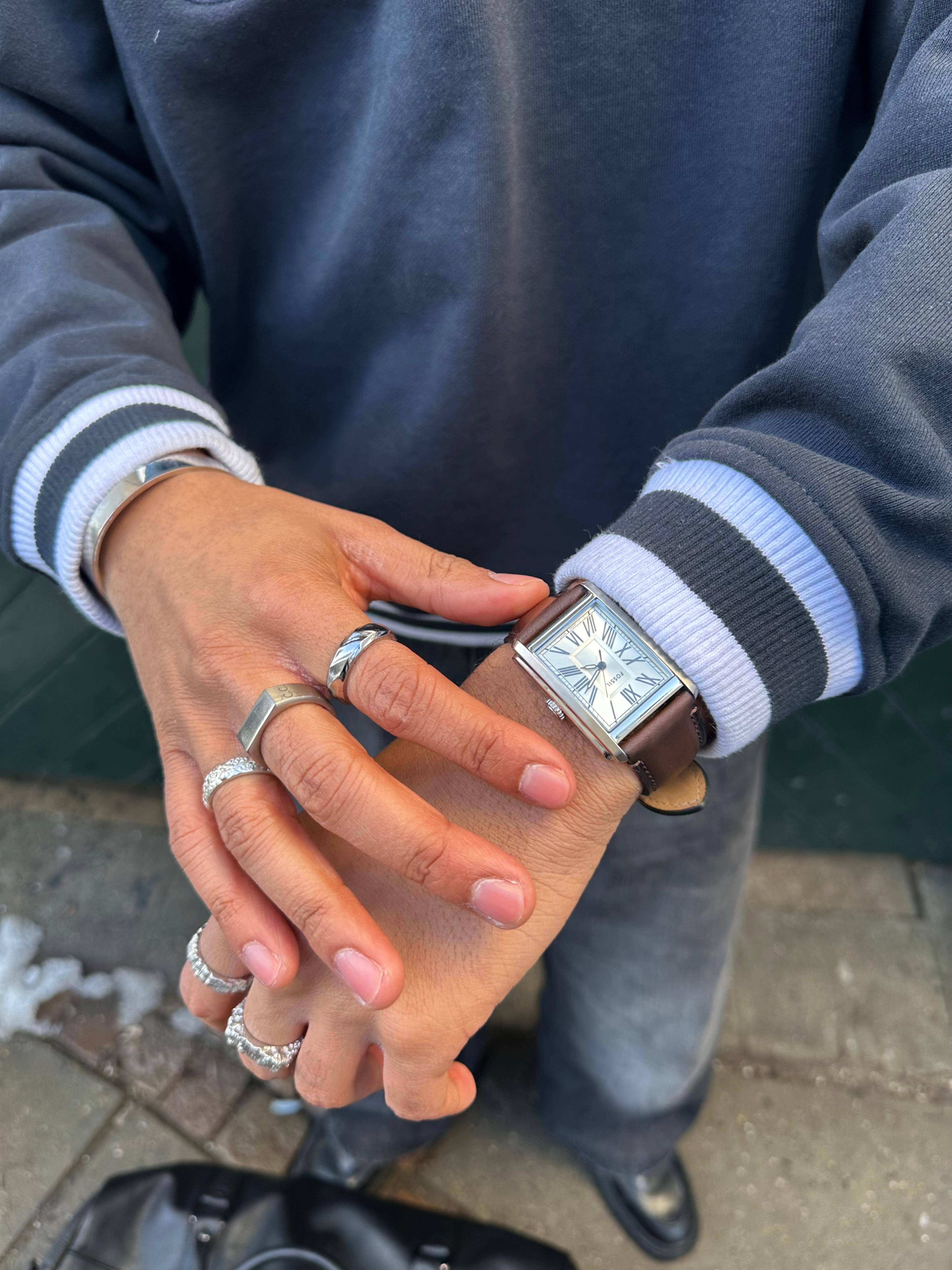
Fossil Carraway - FS6011
€199.00
3 Colours
Fossil
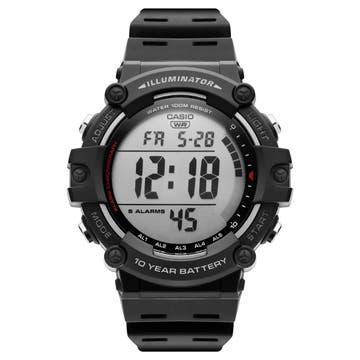
Casio Collection AE-1500WH-1AVEF
€44.95
2 Colours
Casio
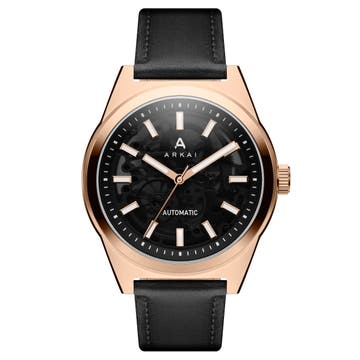
Caron | Black and Rose Gold-tone Automatic Skeleton Watch
€175.00
3 Colours
Arkai
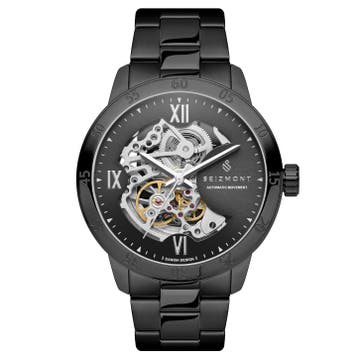
Dante II | Black Skeleton Watch with Silver-tone Movement
€215.00
15 Colours
Seizmont
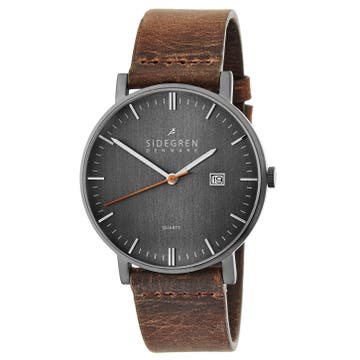
Murky Kevil Watch
€135.00
15 Colours
Sidegren
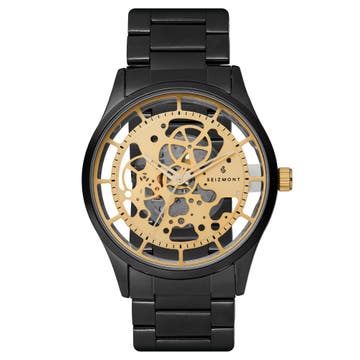
Saam Phantom Watch
€64.95
6 Colours
Seizmont
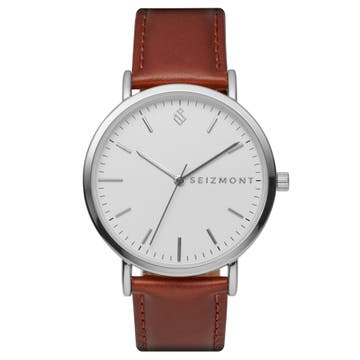
Elias Moment Watch
€64.95
6 Colours
Seizmont
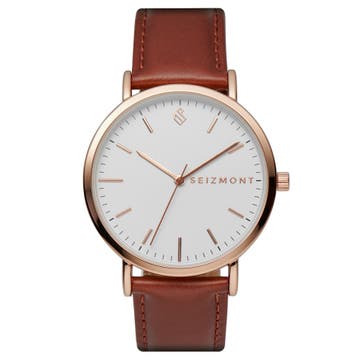
Mikkel Moment Watch
€79.95
6 Colours
Seizmont
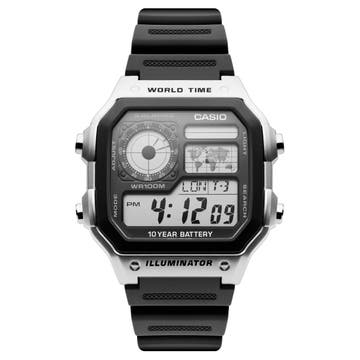
Casio Collection AE-1200WH-1CVEF
€54.95
2 Colours
Casio
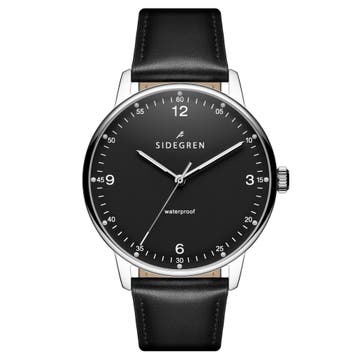
Olivier | Silver-tone and Black Stainless Steel Watch
€119.00
3 Colours
Sidegren
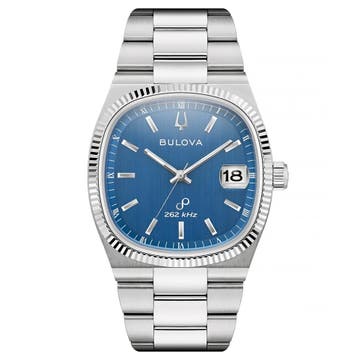
Bulova Classic Super Seville 96B440
€565.00
3 Colours
BULOVA
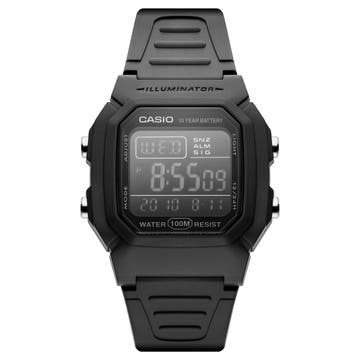
Casio Collection W-800H-1BVES
€49.95
Casio
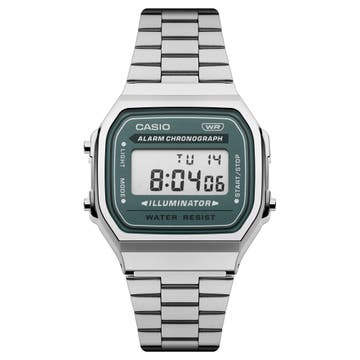
Casio Vintage A168WA-3AYES
€54.95
6 Colours
Casio
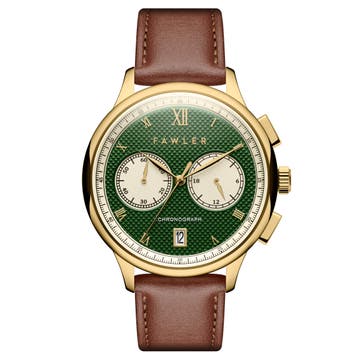
Cicero | Green Vintage Chronograph Watch
€215.00
4 Colours
Fawler
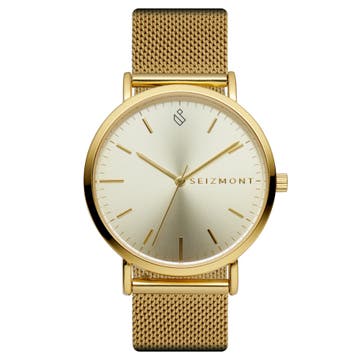
Alfred Moment Watch
€74.95
3 Colours
Seizmont
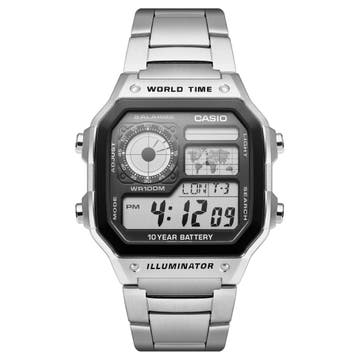
Casio Collection AE-1200WHD-1AVEF
€64.95
2 Colours
Casio
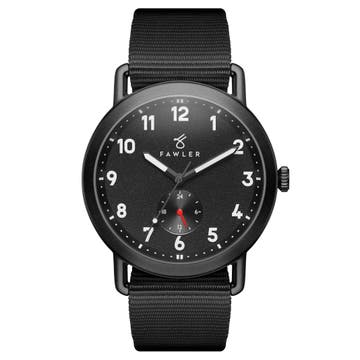
Kronos | Black Outdoor Watch With Black Nylon Strap
€99.95
2 Colours
Fawler
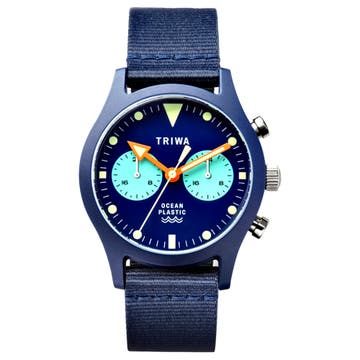
Ocean Plastic Timer Blue
€195.00
Triwa
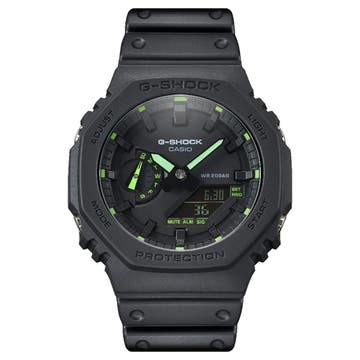
Casio G-Shock GA-2100-1A3ER
€139.00
3 Colours
G-SHOCK
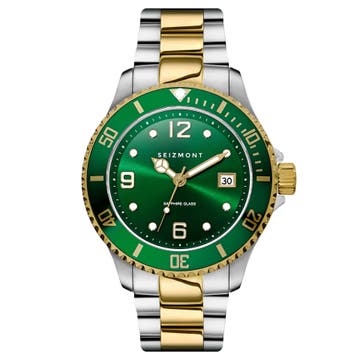
Damien Tide Stainless Steel Watch
€119.00
14 Colours
Seizmont
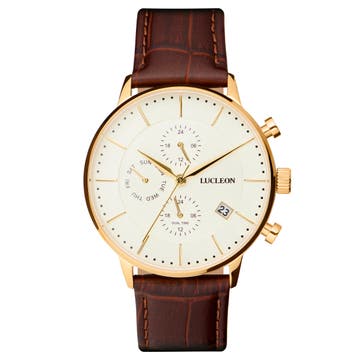
Laurens Ternion Stainless Steel Dual Time Watch
€119.00
7 Colours
Lucleon
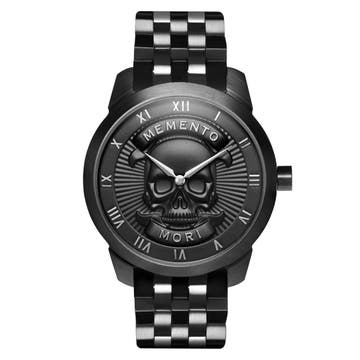
Memento Mori | Steel Skull Watch
€159.00
Lucleon
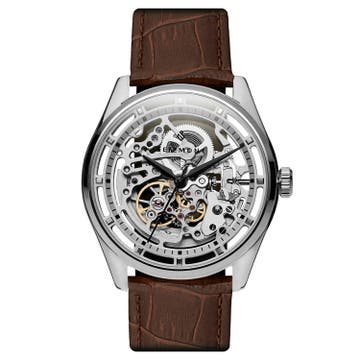
Stefan Motus Automatic Skeleton Watch
€199.00
8 Colours
Seizmont
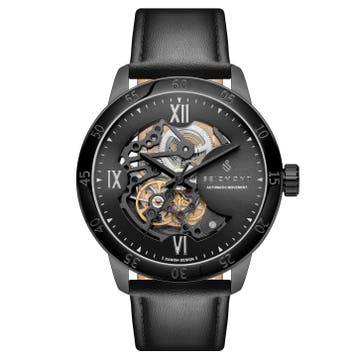
Dante II | Black Stainless Steel Skeleton Watch with Leather Straps
€199.00
5 Colours
Seizmont
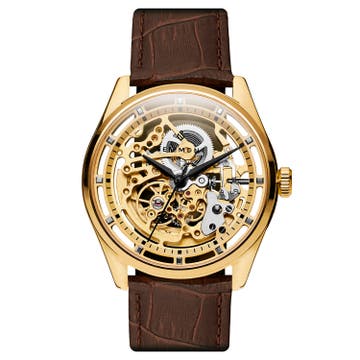
Steele Motus Automatic Skeleton Watch
€199.00
8 Colours
Seizmont
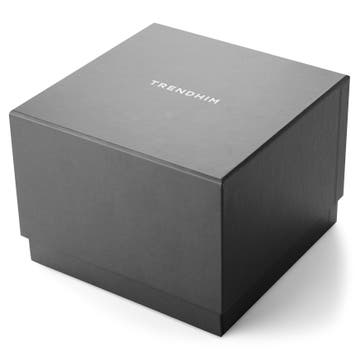
Grey Faux Leather Watch Box
€34.95
Trendhim
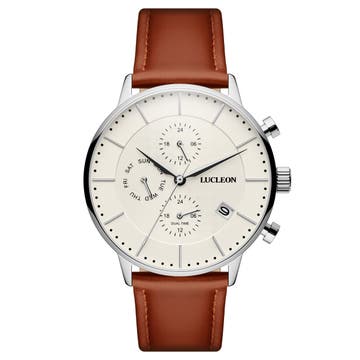
Ternion | Silver-tone and Cream Stainless Steel Dual-time Watch
€135.00
7 Colours
Lucleon
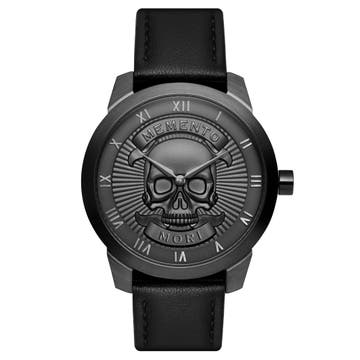
Memento Mori | Skull Watch
€135.00
Lucleon
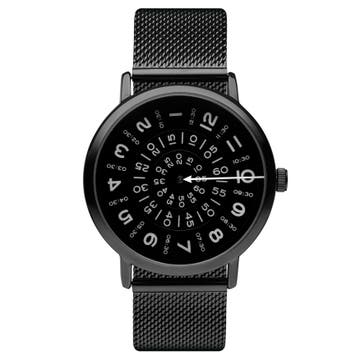
Shaun Ambitio Watch
€64.95
6 Colours
Seizmont
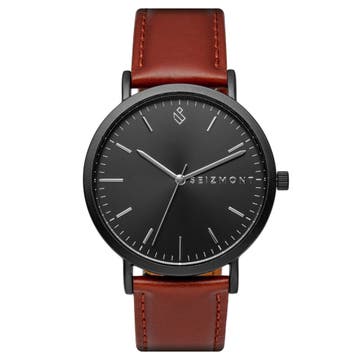
Lucas Moment Watch
€64.95
6 Colours
Seizmont
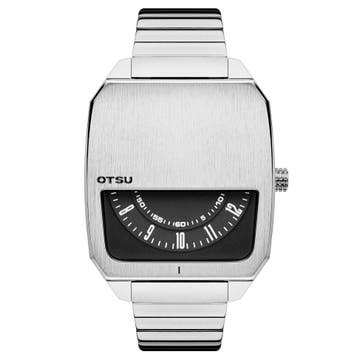
Hoc | Silver-tone Stainless Steel Half Dial Watch
€135.00
3 Colours
Otsu
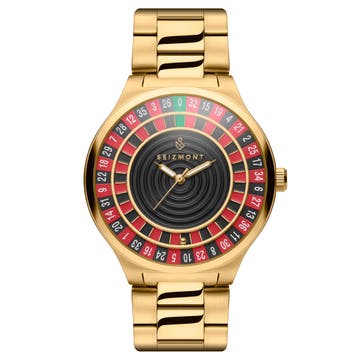
Ace | Gold-Tone Stainless Steel Roulette Watch
€135.00
4 Colours
Seizmont
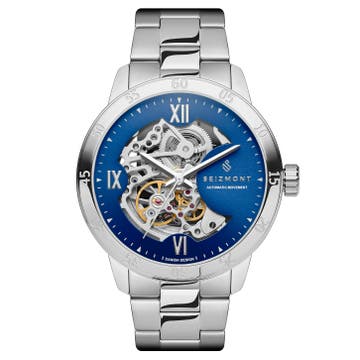
Dante II | Silver-tone Skeleton Watch With Blue Dial
€229.00
15 Colours
Seizmont
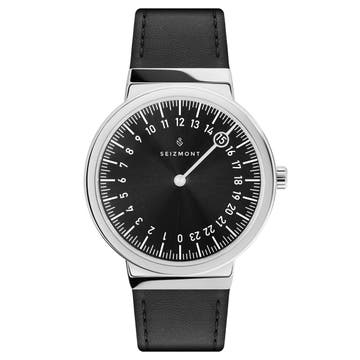
Travis Calm Single-hand 24-hour Watch
€135.00
3 Colours
Seizmont
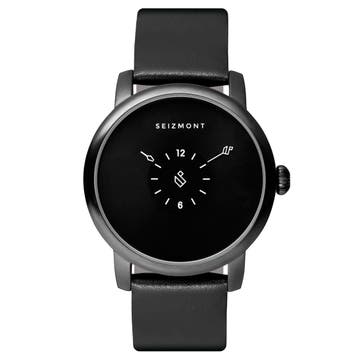
Stewart Mezzo Watch
€64.95
4 Colours
Seizmont
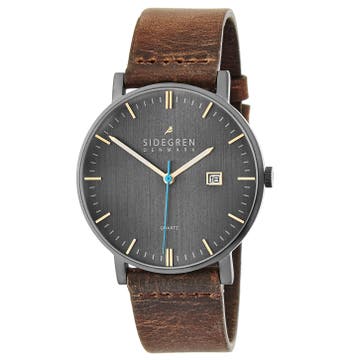
Wanderer Kevil Watch
€135.00
15 Colours
Sidegren
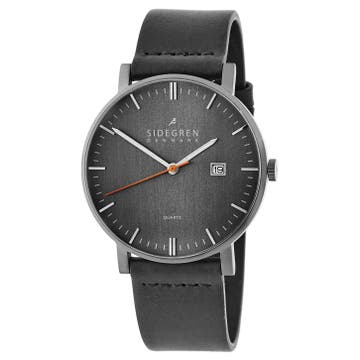
Midnight Kevil Watch
€135.00
15 Colours
Sidegren
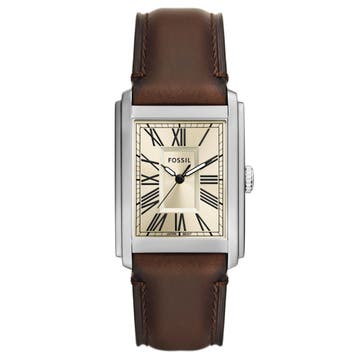
Fossil Carraway - FS6012
€199.00
3 Colours
Fossil
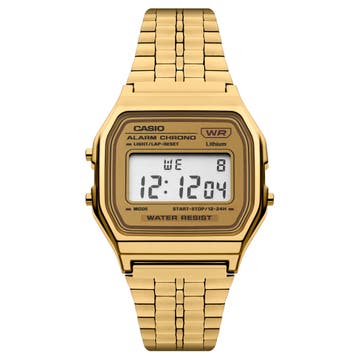
Casio Vintage A158WETG-9AEF
€64.95
3 Colours
Casio
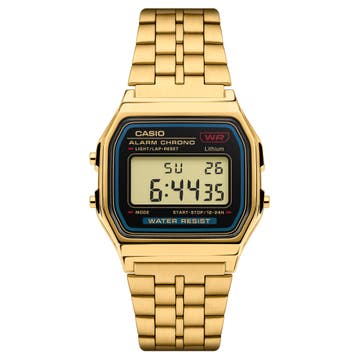
Casio Vintage A159WGEA-1EF
€74.95
6 Colours
Casio
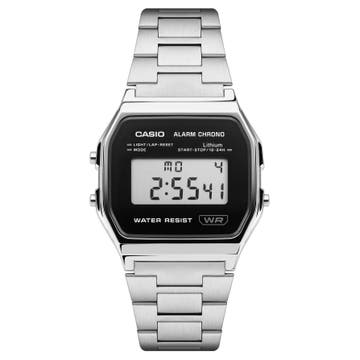
Casio Vintage A158WEA-1EF
€59.95
3 Colours
Casio
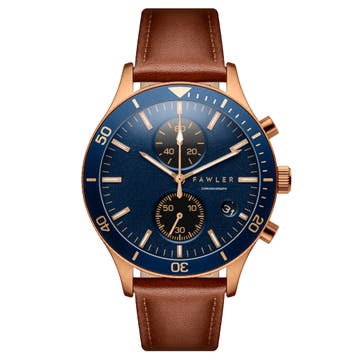
Aeris | Brown Brass Chronograph Watch with Blue Dial
€149.00
4 Colours
Fawler
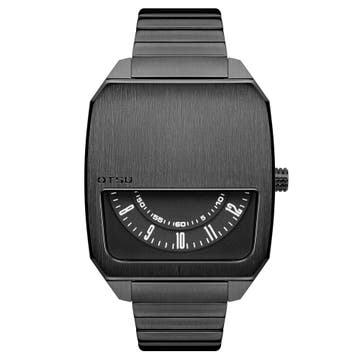
Hoc | Gunmetal Grey Stainless Steel Half Dial Watch
€135.00
3 Colours
Otsu
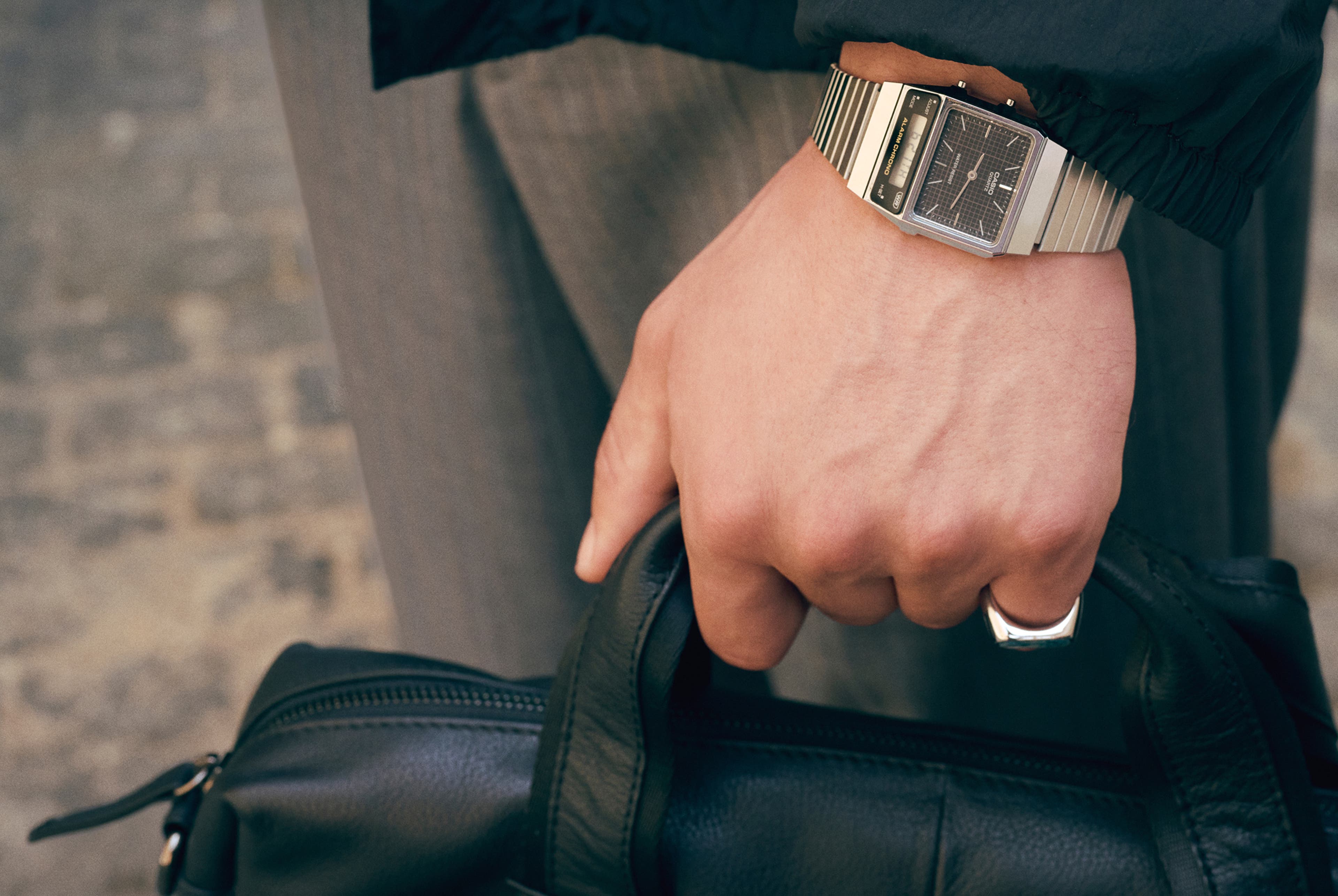
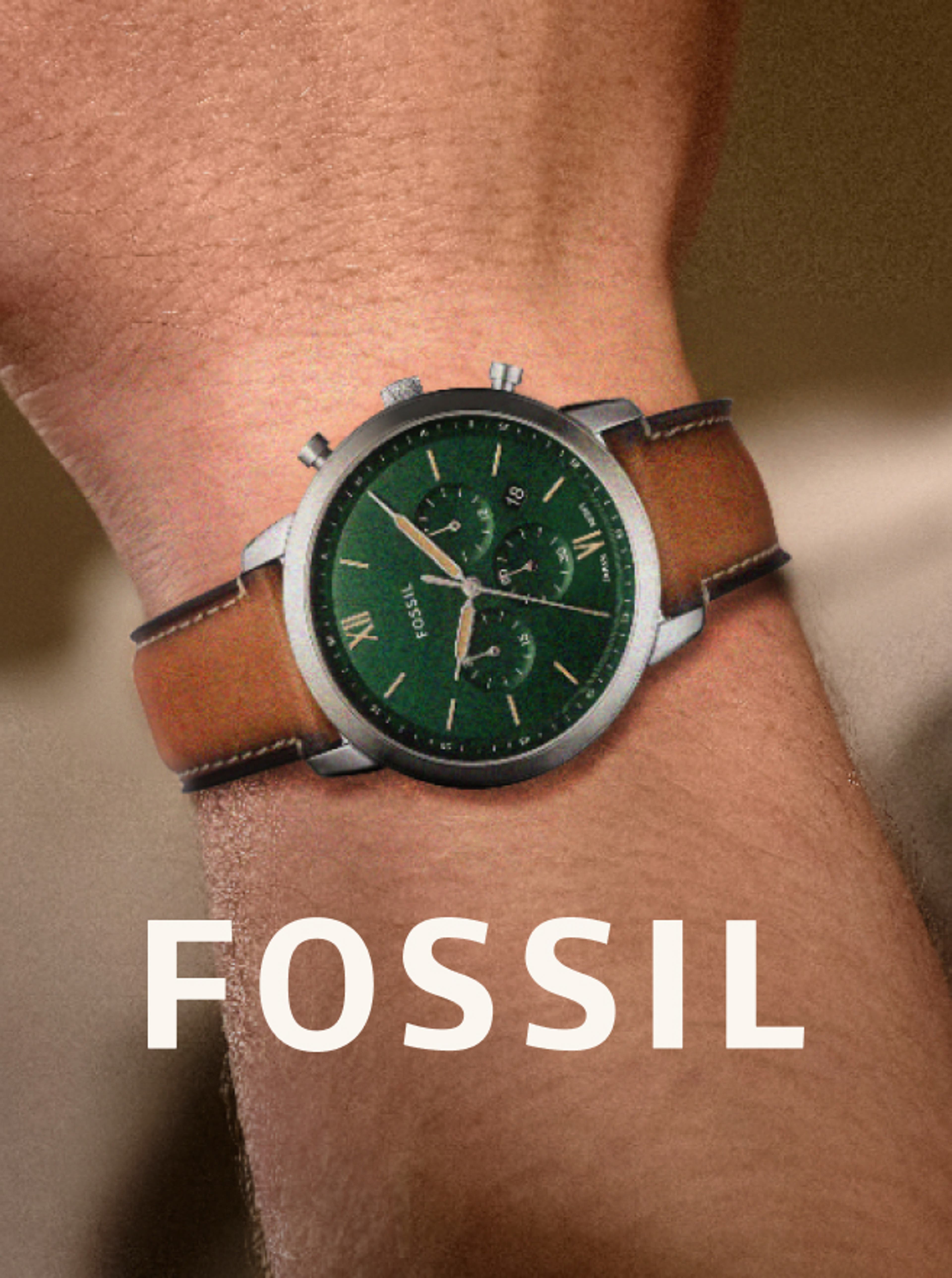
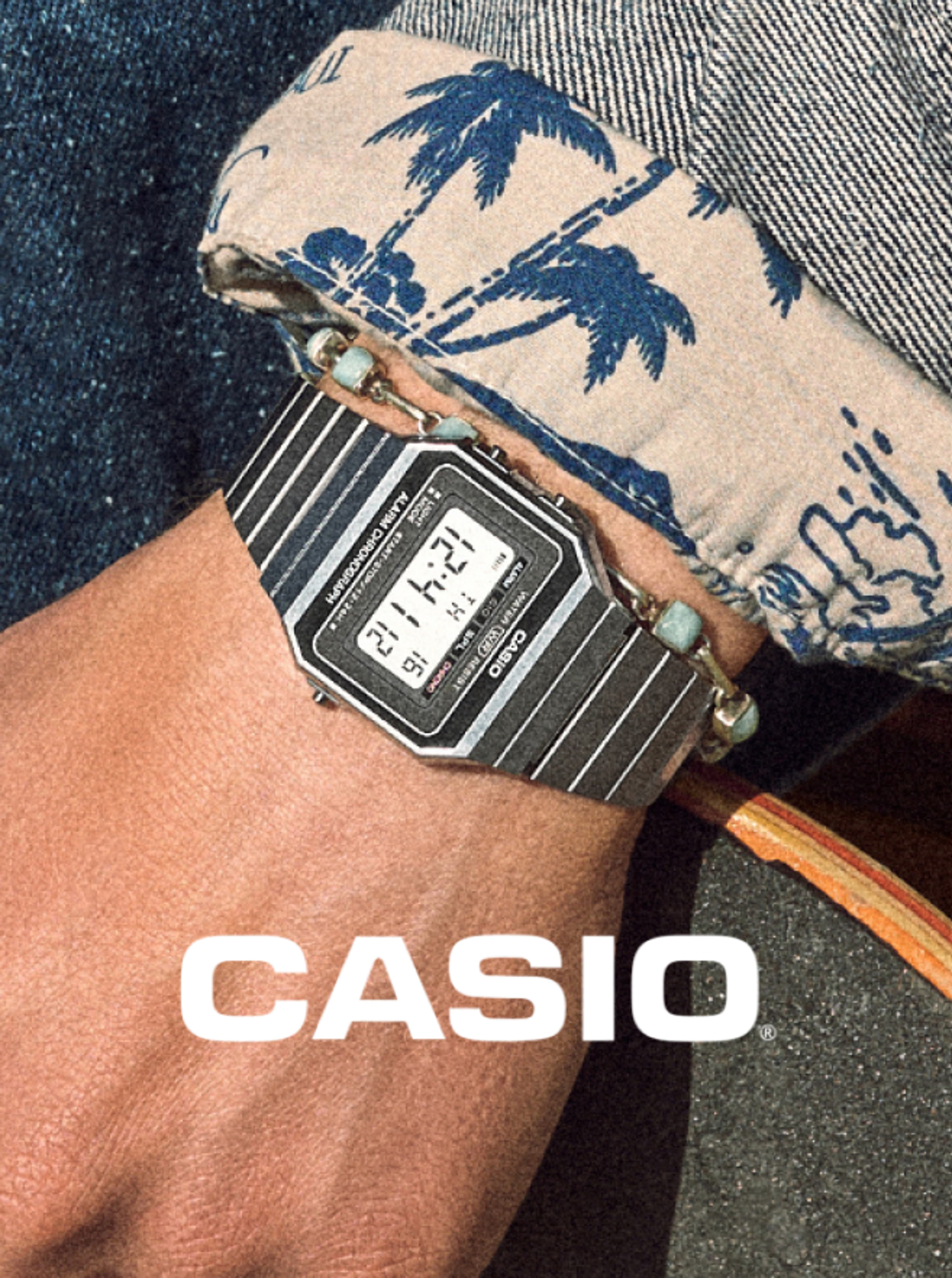
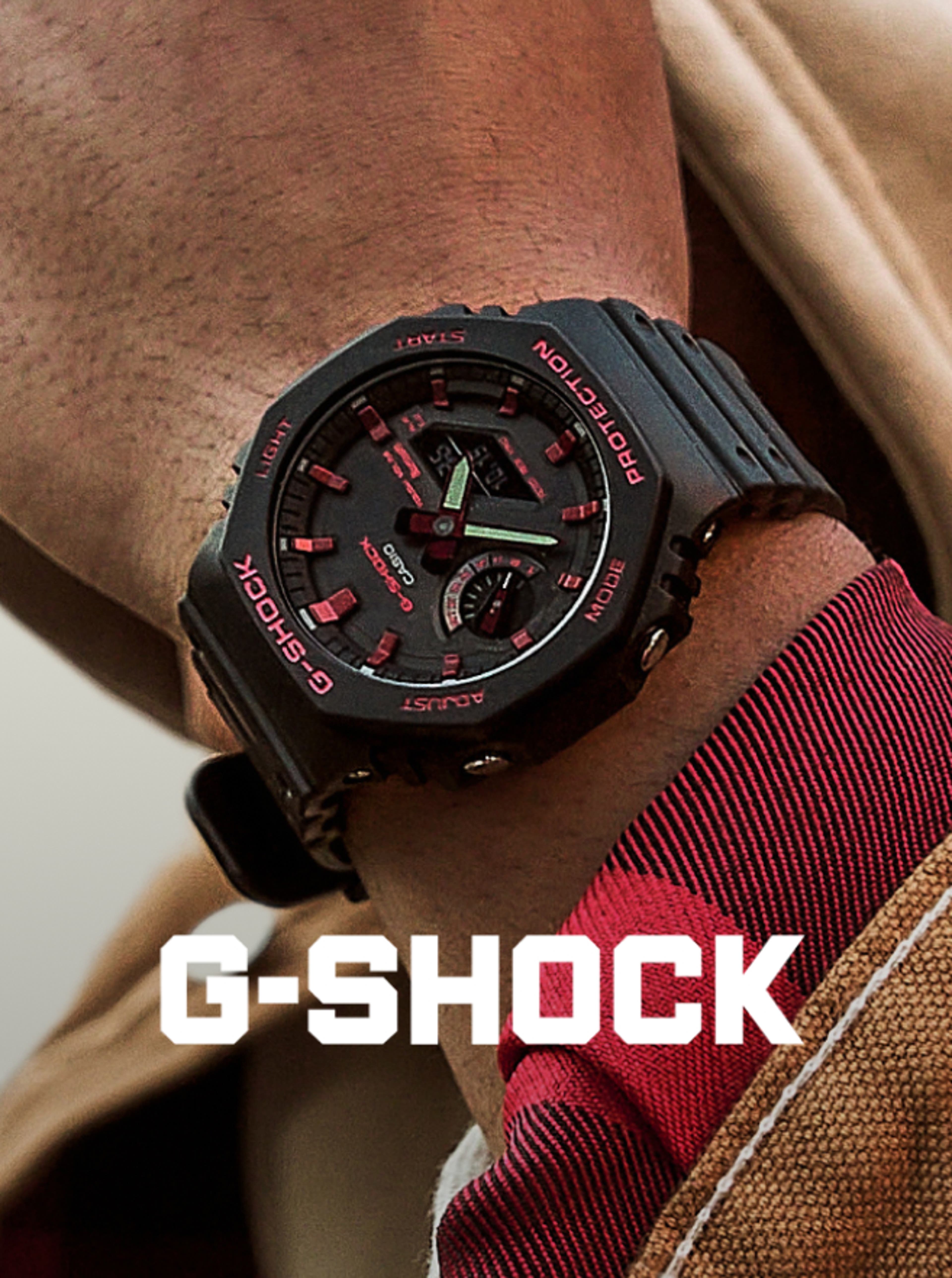
Ready for the summer?

.jpg?format=pjpg&auto=webp&quality=75%2C90&width=3840)
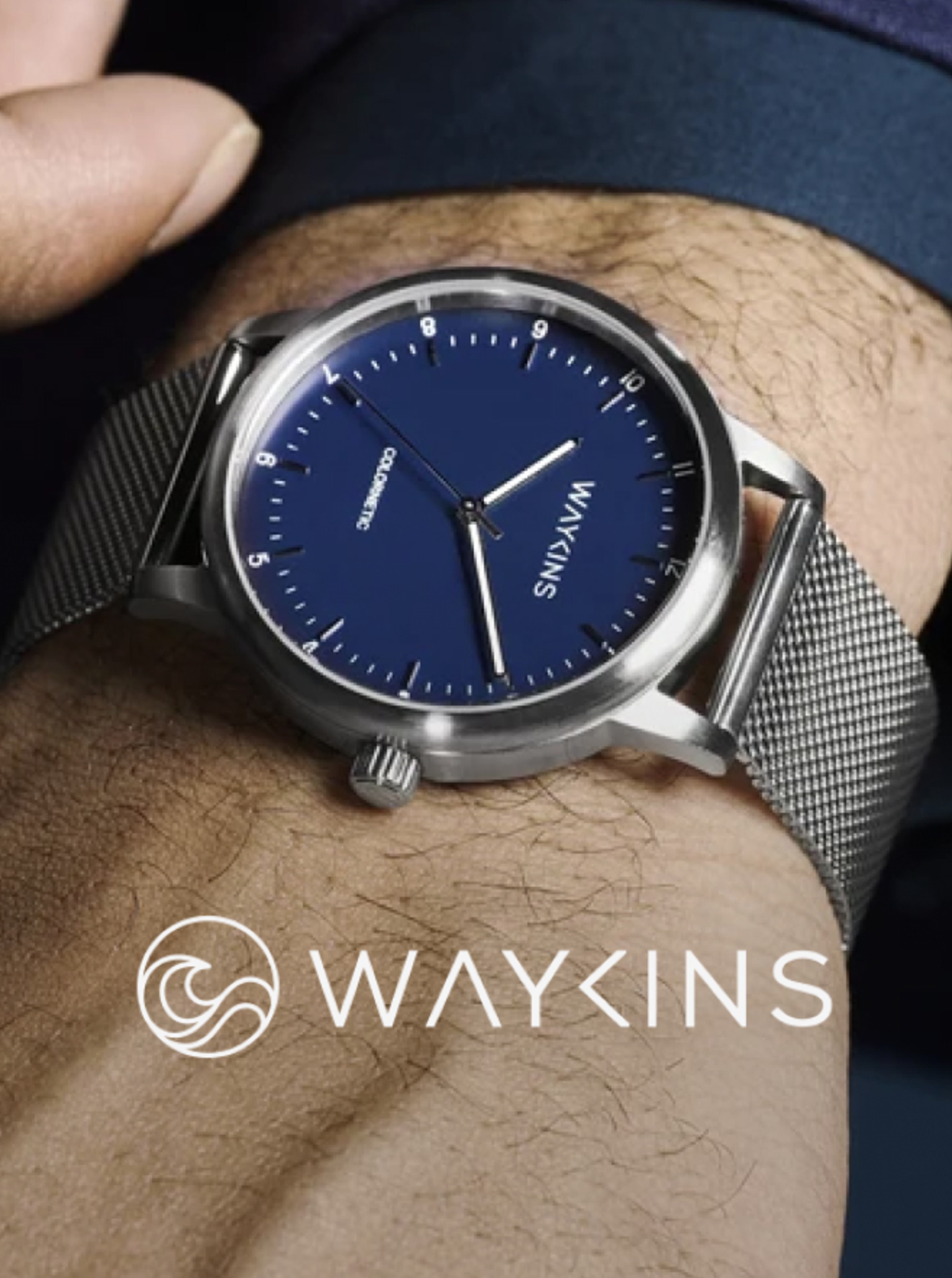
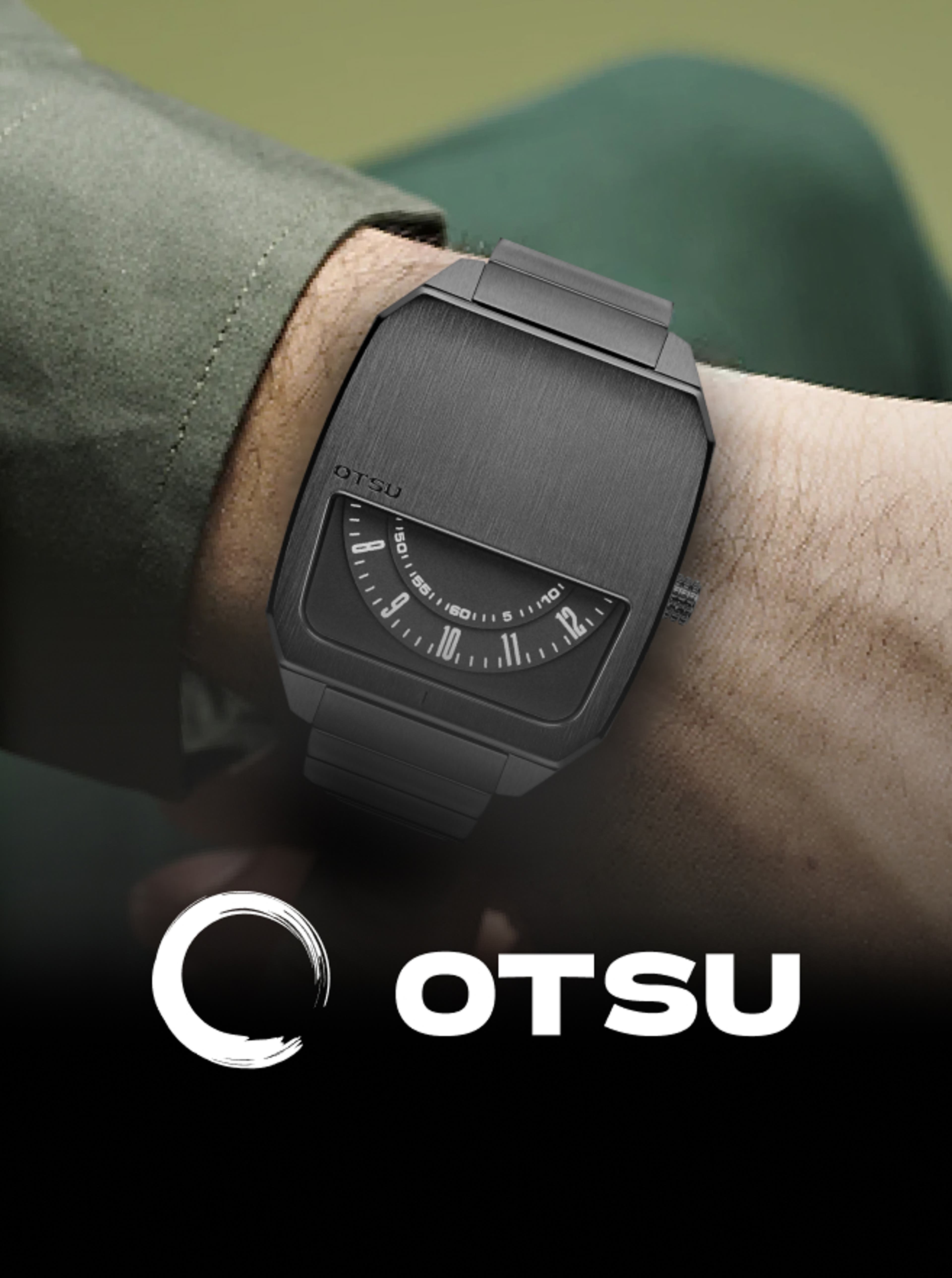
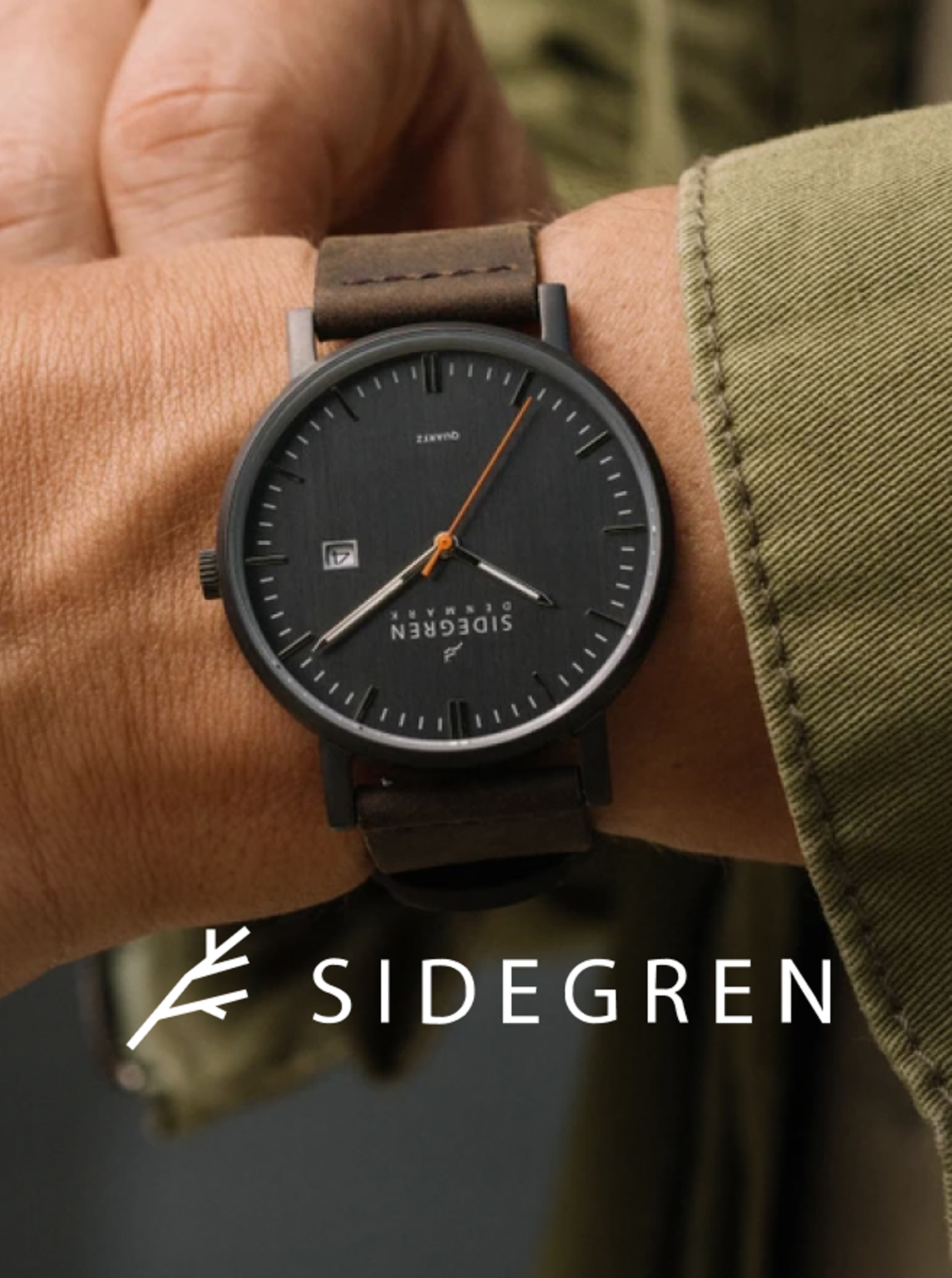
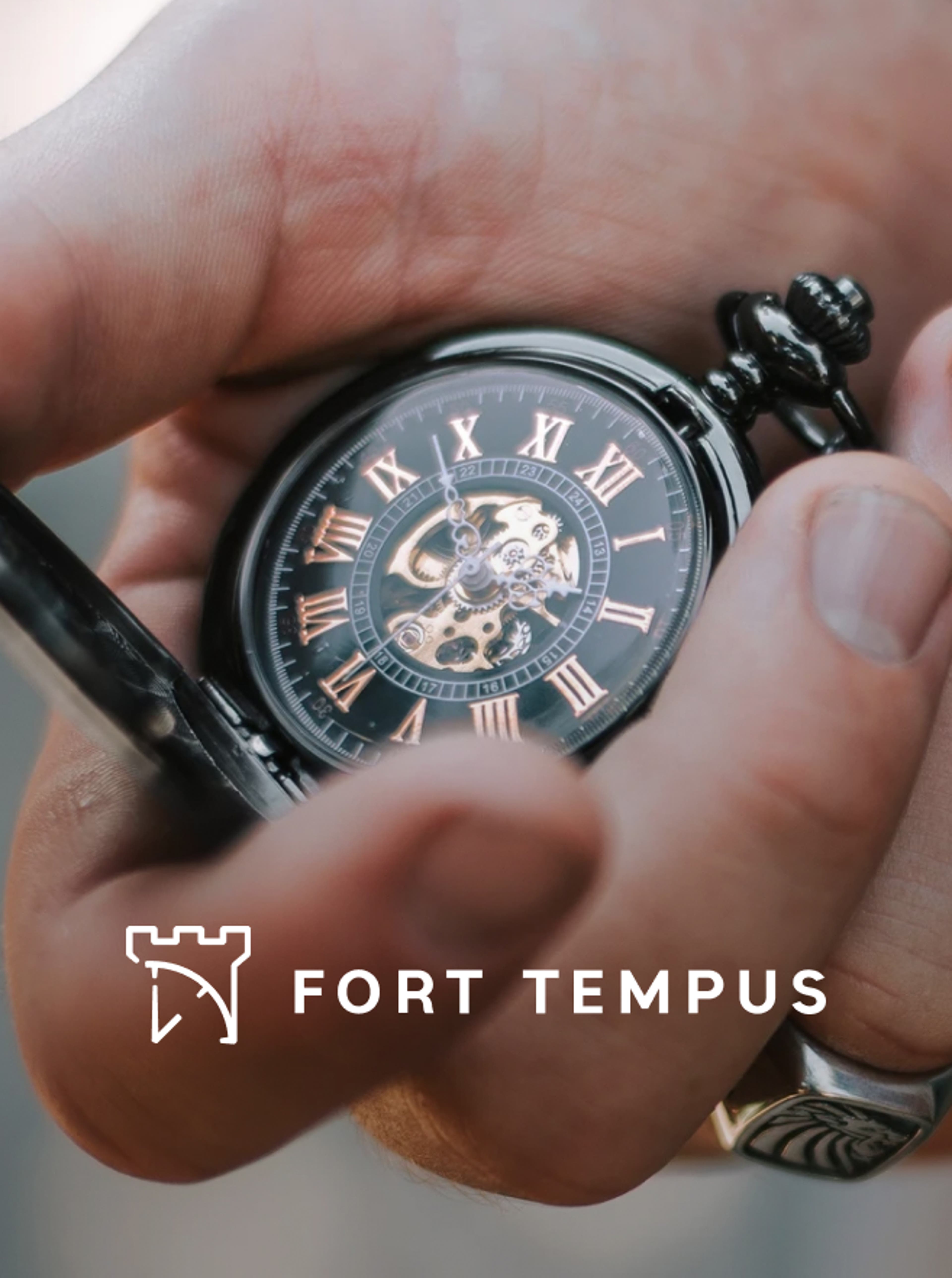
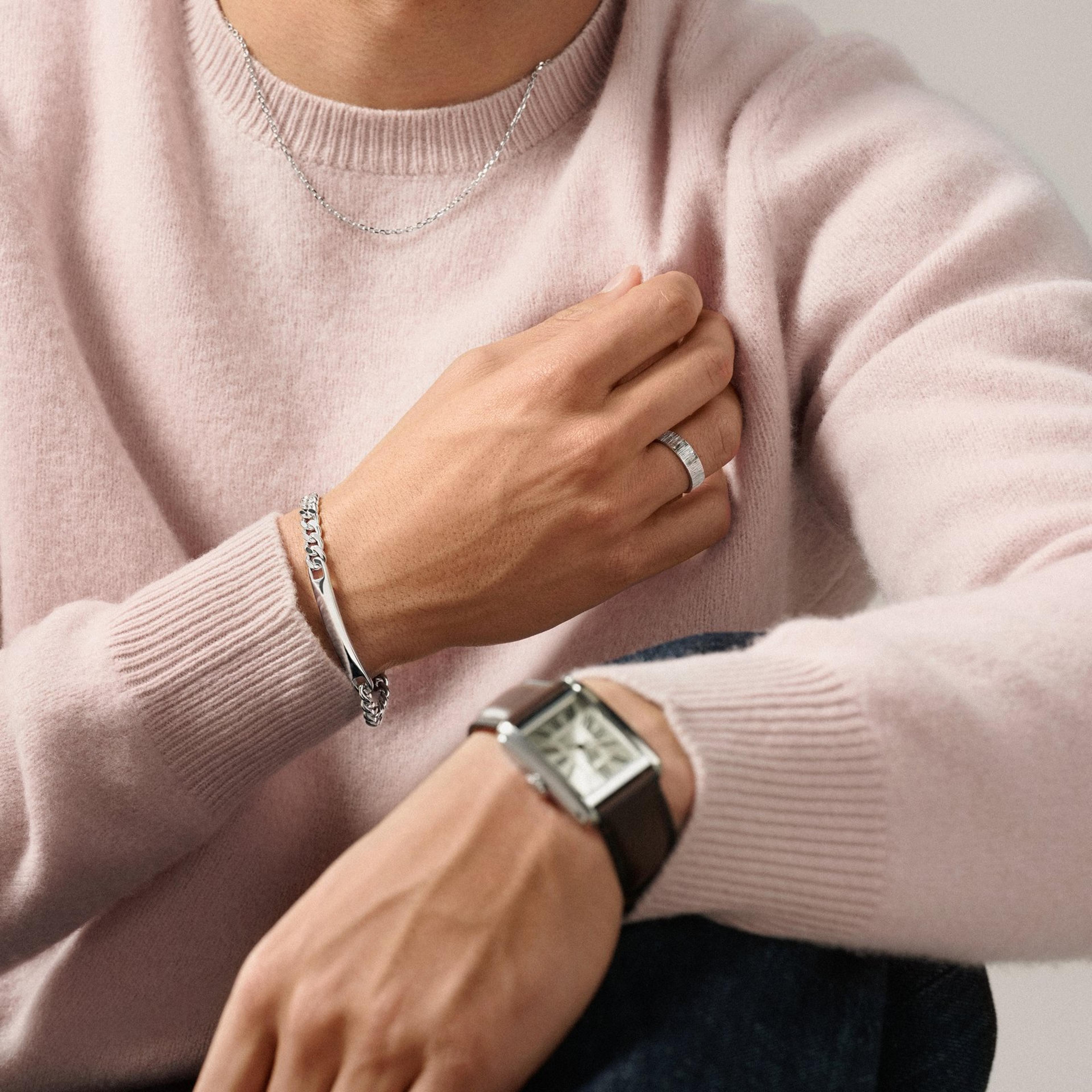
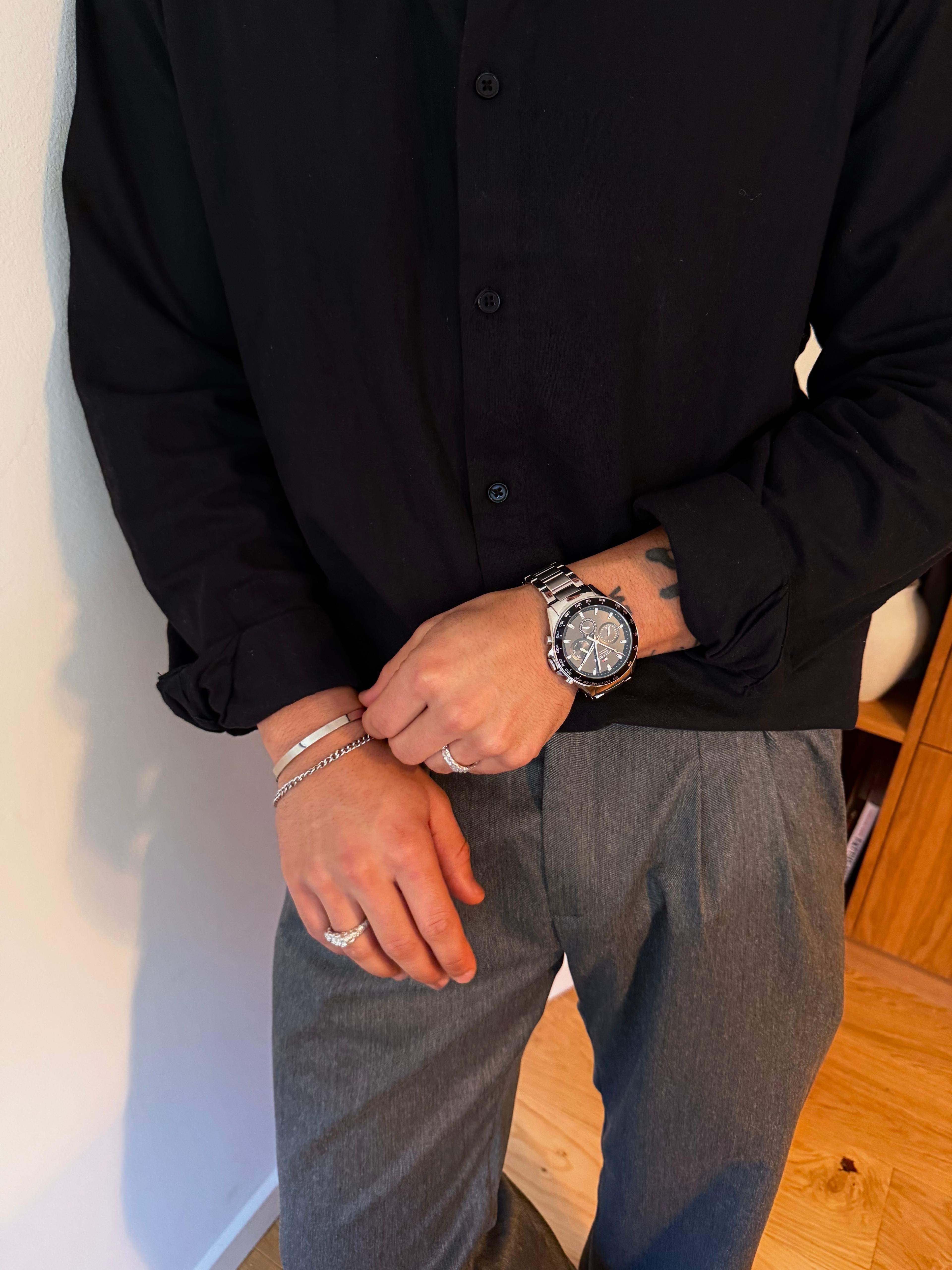
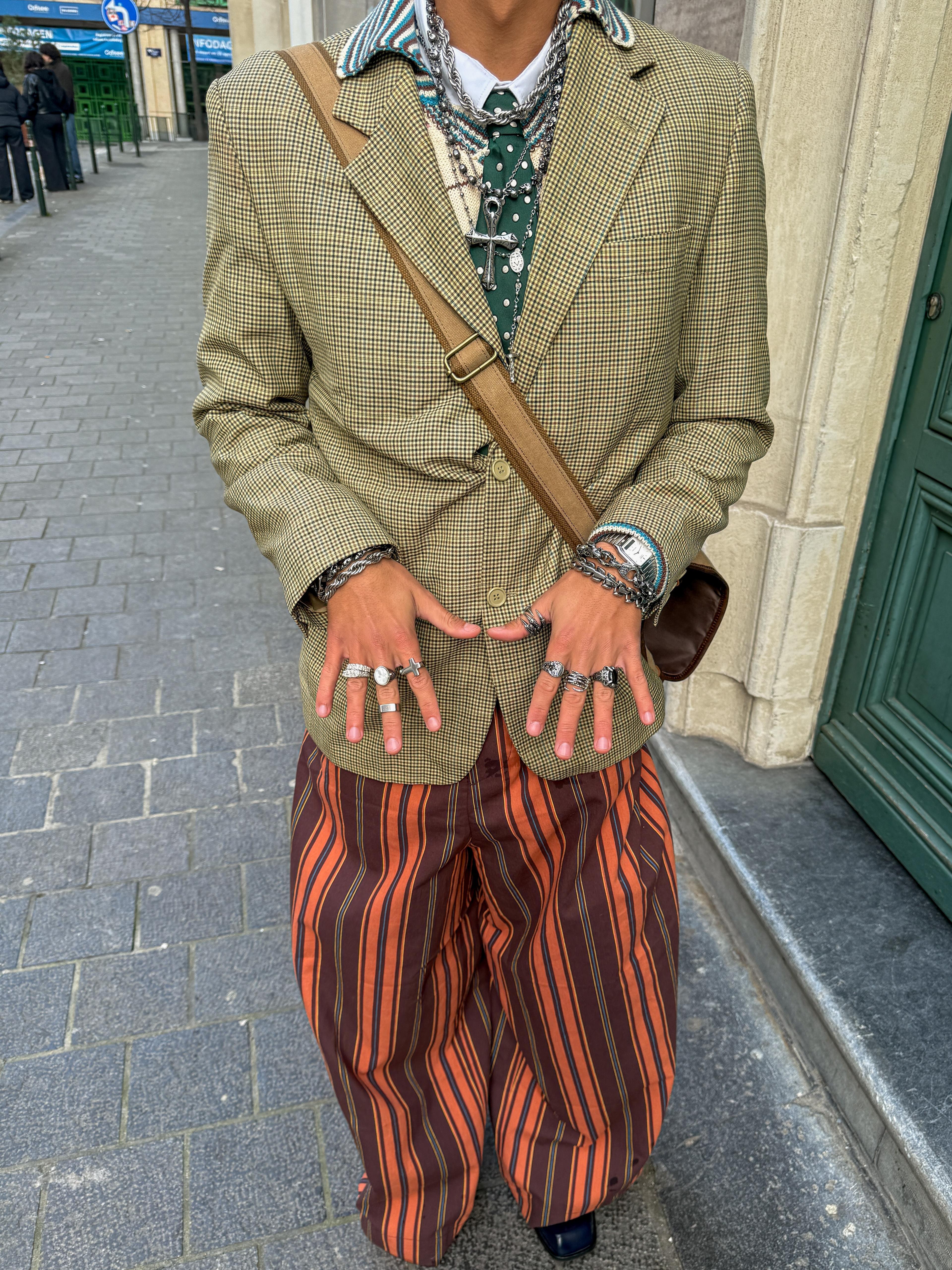
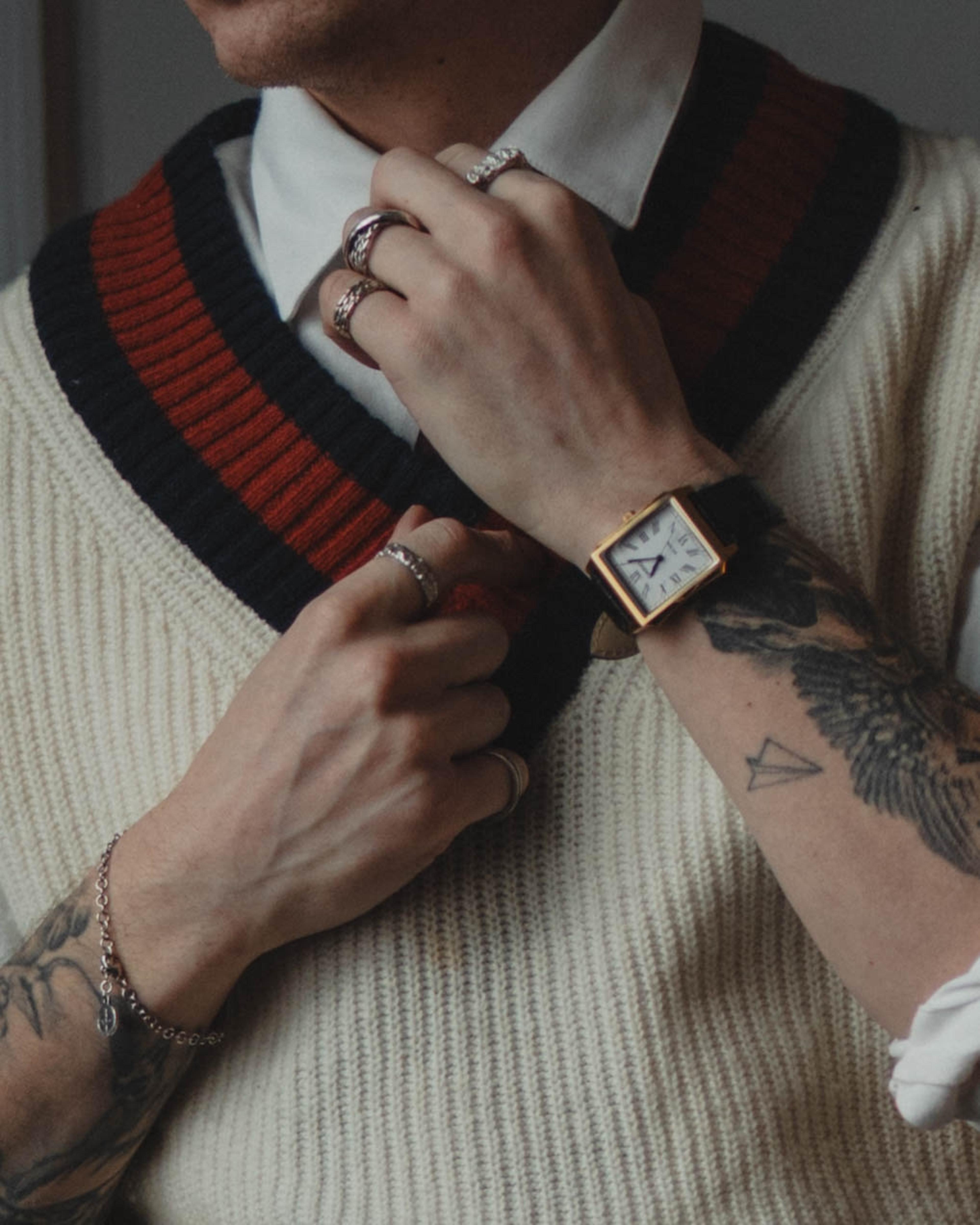
Get the look
.jpeg?format=pjpg&auto=webp&quality=75%2C90&width=3840)

.jpg?format=pjpg&auto=webp&quality=75%2C90&width=3840)
.jpeg?format=pjpg&auto=webp&quality=75%2C90&width=3840)
.jpeg?format=pjpg&auto=webp&quality=75%2C90&width=3840)
.jpeg?format=pjpg&auto=webp&quality=75%2C90&width=3840)
.jpg?format=pjpg&auto=webp&quality=75%2C90&width=3840)
.jpg?format=pjpg&auto=webp&quality=75%2C90&width=3840)
.jpeg?format=pjpg&auto=webp&quality=75%2C90&width=3840)


Men's watches
A men’s watch is a statement of style, precision, and personality. Watches for men have evolved from pure function to essential accessories that complete an outfit. Whether you need something sleek for the office, rugged for the outdoors, or bold for everyday wear, there’s a perfect watch for every man and every occasion.
From minimalist designs to intricate chronographs, the right watch sets the tone for your look. A classic leather strap exudes sophistication, while a stainless steel bracelet adds modern flair. Whatever your style, a well-chosen men’s watch is a must-have.
Men’s watch size guide
Finding the right watch size ensures both comfort and style. If it’s too big, it overpowers your wrist. Too small, and it might look out of place.
- Case Diameter: The most common sizes range from 32 mm to 40 mm – a balanced fit for most wrists.
- Strap Width: Should be proportional to the watch case for a seamless look.
- Wrist Size: The average man’s wrist is 7” (18 cm). For a snug but comfortable fit, adjust your watch strap accordingly.

Check out our in-depth guide to finding the perfect watch size.
BUYING A WATCH AS A GIFT?
A men’s watch makes an excellent gift, blending style and function into one. If you’re unsure about size, aim for a case between 34 mm and 40 mm – the sweet spot for most men. A leather strap offers versatility, while stainless steel brings a more refined touch. Stick to classic colours like black, silver, or gold for a timeless choice.
Types of watches for men
Men’s watches come in a variety of designs, each catering to different styles and needs.
Gold watches bring an unmistakable sense of luxury. Whether polished or brushed, they command attention and add a refined touch to any outfit. A gold-tone watch pairs well with both formal and casual wear, making it a versatile addition to any collection.
Sleek, modern, and effortlessly stylish – silver watches are a timeless choice. Their neutral tone makes them easy to match with other accessories, and they work just as well in a business setting as they do in everyday wear.
Powered by wrist movement, automatic watches never need a battery. They showcase fine craftsmanship and appeal to men who appreciate tradition and engineering.
Reliable and accurate, quartz watches are low-maintenance and perfect for everyday wear. A great choice for those who want precision without the need for winding.
Read more about which movement type is right for you.
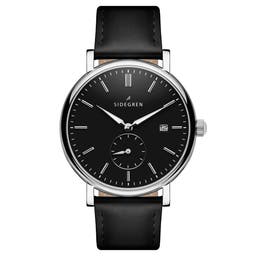
A classic choice, analogue watches display time with hands and hour markers. Timeless, elegant, and suited for every occasion.
For those who prefer a modern touch, digital watches offer easy-to-read displays and extra functionalities like alarms and backlighting.
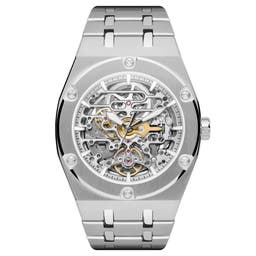
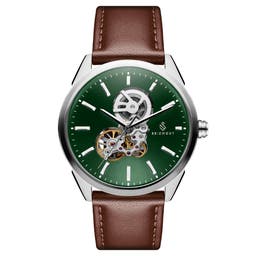
Designed to impress, skeleton watches showcase the inner workings of the timepiece. A bold choice for men who appreciate fine mechanics and striking aesthetics.
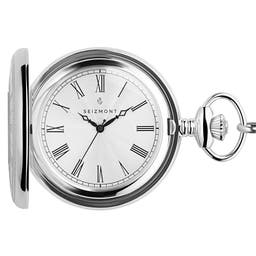
Vintage charm meets timeless elegance. A pocket watch is a stylish throwback to classic timekeeping, perfect for formal events or collectors.
Men’s watches - materials & maintenance
Men’s watches come in various materials, each offering different levels of durability and style:
- Straps: Stainless steel, leather, rubber, and nylon – each suited for different looks and activities.
- Cases: Stainless steel, titanium, and alloy provide strength and longevity.
- Resin: Common in sporty and rugged watches for extra durability.
To keep your watch in top shape, clean it regularly with a soft cloth, store it properly when not in use, and check the manual for care instructions. Browse Trendhim's watch manuals here for detailed specifications.
Learn all about how to clean your watch.
Watch styles & functions
Most men own more than few watches. Picking the right ones for the occasion is key. Here’s how different styles suit different needs:
- Casual Wear: A leather-strapped or minimalist design works best for everyday outfits.
- Formal Occasions: Dress watches – thin, simple, and elegant – are perfect for suits and special events.
- Dive Watches: Designed for water resistance, these feature a count-up bezel, glow-in-the-dark elements, and easy-to-read dials.
- Pilot Watches: Known for their large, easy-to-read numbers, backlit displays, and flight-related functions.
- Military Watches: Durable and built for extreme conditions, these watches often include glow-in-the-dark hands and reinforced cases.
- Chronograph Watches: Combining style and function, these include stopwatch features for timing precision.
Shop a men’s watch at Trendhim
Buying a men’s watch should be easy. At Trendhim, we offer fast delivery, strict Scandinavian quality control, and a free exchange policy – as long as the packaging is intact. Find the perfect watch and upgrade your style today.